The European Union has expanded visa bans targeting Russian elites as Russian authorities accelerate confiscation of foreign corporate assets, according to reporting on October 15. The dual escalation marks a shift from transactional sanctions to permanent economic separation. Neither side is signaling off-ramps.
EU officials have widened travel restrictions on Russian businesspeople and government officials in response to ongoing conflicts, according to multiple outlets reporting on October 15. The move targets wealth preservation channels and signals that Brussels views the separation as durable, not cyclical. Western firms operating in Russia face similar pressure: Moscow's seizure of foreign corporate holdings removes incentive for capital to return post-conflict, a structural break from Cold War sanctions regimes that assumed eventual normalization.
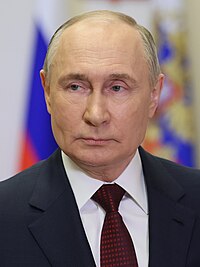
Putin's confiscation strategy differs fundamentally from prior asset freezes. Rather than temporary lockdowns, Kremlin decrees are transferring ownership to state-aligned entities, according to Reuters reporting. This signals Moscow's assumption that Western firms will not resume operations under acceptable terms for a generation. The psychology matters: confiscation is permanent; freezing is temporary.
To be sure, Western capitals maintain that sanctions pressure is calibrated to compel negotiated settlement. However, the architecture now being built — separate payment systems, dual supply chains, restricted visa regimes — is being constructed as if negotiation is not expected. Bank of Russia has accelerated de-dollarization; European firms are exiting Russian operations at accelerating pace; capital flows have calcified into regional blocs rather than remaining fluid.
The result is a hardening of the global order into competing closed zones. Neither NATO nor Russia is behaving as though the other is a negotiating partner; both are behaving as though the separation is permanent. This is the structure of Cold War economics, not post-Cold War sanctions. The strategic implication is that commodity flows, technology transfer, and capital allocation will remain fractured for decades, regardless of any near-term ceasefire. Markets are pricing this as a cyclical shock. The underlying signal is structural.