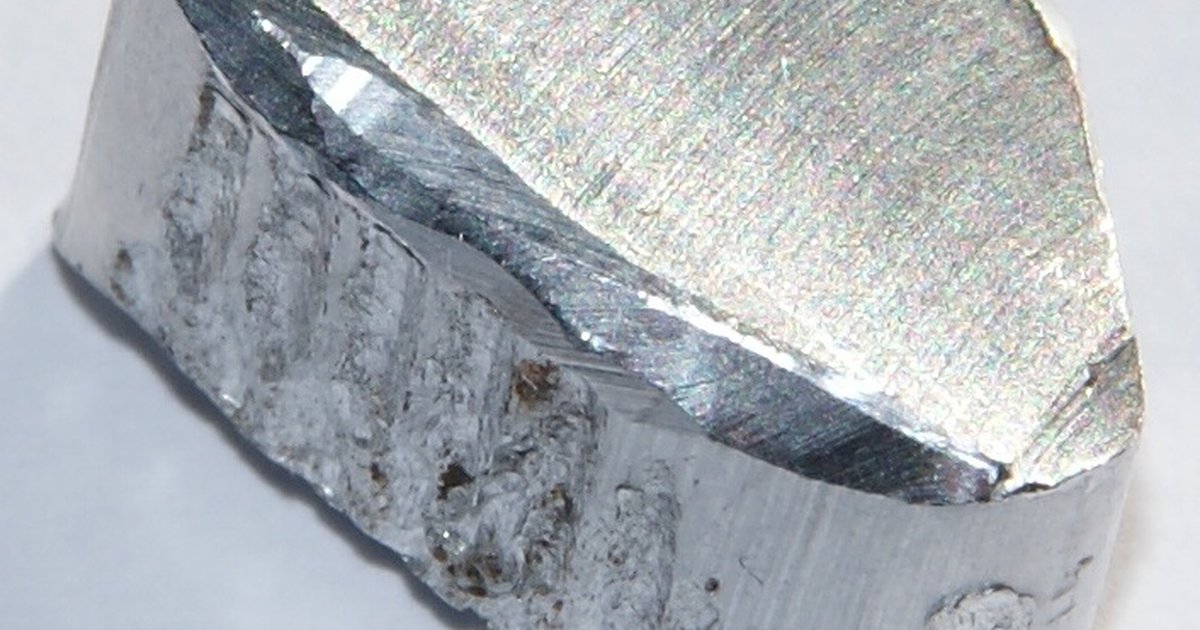
Aluminium
ALUMINIUM COMMODITY INTELLIGENCE DOSSIER
Aluminium is a critical industrial commodity essential to global manufacturing, aerospace, construction, and energy sectors. As the world's most abundant metallic element, it serves as a foundational input for economies worldwide, with production concentrated in China, India, Russia, and the Gulf states. Its strategic significance stems from dual-use applications spanning civilian infrastructure to defense systems, making supply disruptions immediate geopolitical leverage points. Current market dynamics reflect elevated geopolitical risk premium as primary producers face sanctions, regional instability, and energy constraints that directly constrain global supply chains.
Aluminium ranks 182 on the LeadersCartel Power Index with a score of 2.0, placing it in monitored tier status across 2 active intelligence sources. The signal distribution (0 high-impact, 1 emerging, 0 watch-level alerts) indicates subdued immediate volatility masking underlying structural tightness. This mid-tier ranking reflects the commodity's indirect but substantial leverage over industrial output globally. The monitored classification suggests elevated surveillance protocols are warranted as emerging signals develop into material market events.
Three concurrent developments drive current positioning. War-related outages are constraining supply, creating artificial scarcity that strengthens producer pricing power. Shipowners are delaying Hormuz transits pending US-Iran deal clarity, directly impacting alumina feedstock flows and refining capacity utilization across Asia-Pacific routes. Simultaneously, Anil Agarwal's $20 billion capital commitment to aluminium, steel, and zinc indicates major producer confidence in sustained price premiums, signaling expectation of prolonged supply-demand imbalance.
Monitor 48-72 hour horizon for Hormuz shipping flow normalization decisions following any US-Iran diplomatic signals under the Trump administration's current posture toward Iran sanctions. Should transit delays resolve, expect rapid aluminium price compression; conversely, any escalation would lock supply tightness into Q2 pricing. Watch for production announcements from major regional smelters as energy costs remain primary constraint.