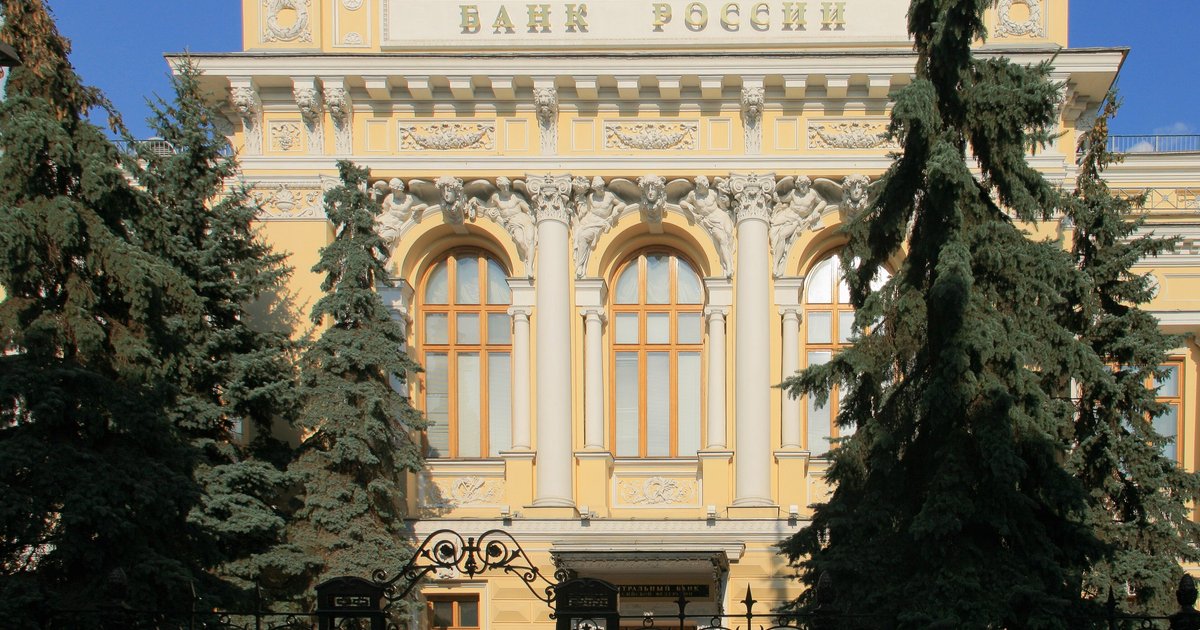
Bank of Russia
# INTELLIGENCE DOSSIER: BANK OF RUSSIA
**Classification: Monitored | Distribution: Senior Analyst Network**
The Bank of Russia is the central bank and monetary authority of the Russian Federation, operating under the direction of President Vladimir Putin's government. As the architect of Russian monetary policy, foreign exchange management, and financial system stability, the institution holds strategic importance in navigating Russia's economic positioning amid Western sanctions and geopolitical isolation. The Bank of Russia controls ruble valuation, capital flows, and reserve management—making it a critical node in assessing Moscow's economic resilience and the effectiveness of Western financial pressure campaigns. Their current focus on foreign exchange rate management directly signals Russian policymakers' assessment of economic conditions and financial stress levels.
The Bank of Russia maintains a monitored tier position (rank 167) on the LeadersCartel Power Index with a stability score of 1.8, tracked across 14 active intelligence sources with signal distribution concentrated in emerging (1E) and watch (0W) categories. The single emerging signal indicates developing policy shifts rather than acute institutional crisis, suggesting stable operational capacity despite external pressures. The monitored classification reflects consistent but contained influence—neither ascending to higher power tiers nor declining into distress status. This positioning reflects the institution's constrained global reach due to sanctions while maintaining domestic control mechanisms.
Bank of Russia raised the dollar exchange rate to 87 rubles on September 3, following an 86.75 rate on September 2, indicating rapid ruble depreciation pressures within a 48-hour window. These successive adjustments signal accelerating currency stress and potential capital outflow concerns requiring daily rate adjustments. Simultaneously, the central bank extended restrictions on foreign currency cash withdrawals, demonstrating active capital control measures designed to arrest hard currency bleeding. These synchronized moves indicate manageable but monitored financial strain—controlled deterioration rather than systemic breakdown.
Monitor the 72-hour ruble trajectory against the 88 ruble-per-dollar threshold; breach of that level would signal deteriorating central bank confidence in stabilization capacity. Watch for announcement patterns regarding withdrawal restrictions—further extensions would indicate intensifying capital flight pressures. Track coordinated signals from linked nodes (Federal Reserve policy stance, oil price movements, JPMorgan trading volumes) for early indicators of cascade effects.