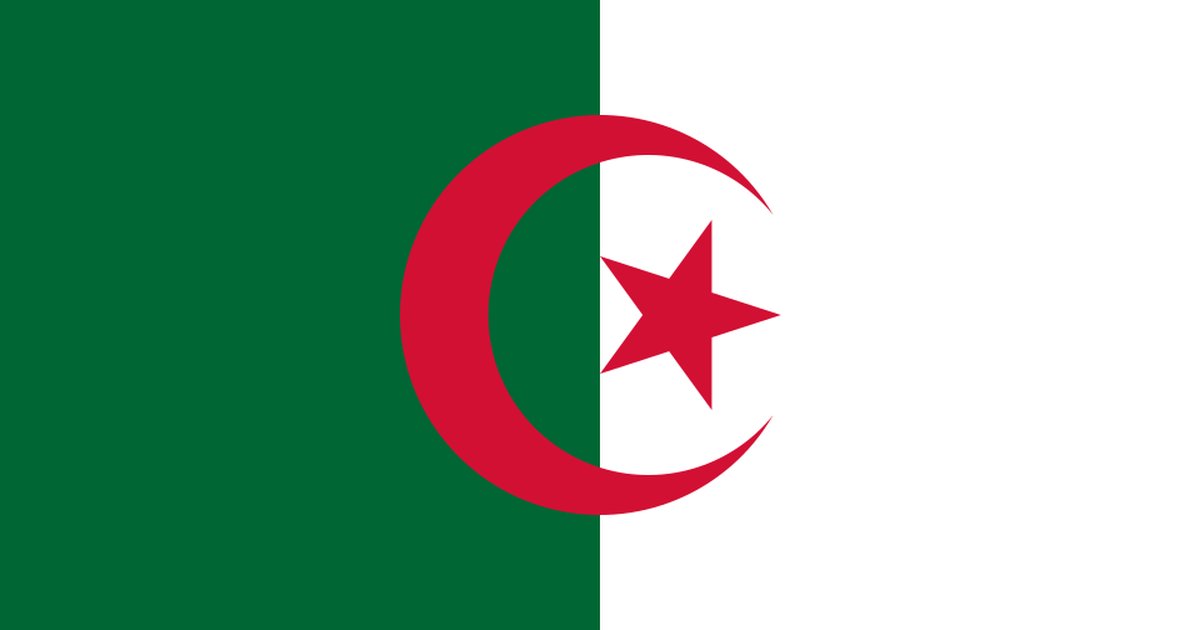
Algeria
INTELLIGENCE DOSSIER: ALGERIA
Algeria is a North African nation-state and the African Union's second-largest economy by GDP, currently positioned as a regional power broker with significant influence over Maghreb stability, Mediterranean geopolitics, and African institutional dynamics. Under President Abdelmadjid Tebboune's administration since 2019, Algeria maintains critical strategic weight through energy exports, military capability, and diplomatic leverage within the Arab League and African Union. The country's significance derives from substantial natural gas reserves serving European markets, a 1.4 million-person military apparatus, and historical leadership on Palestinian and anti-colonial issues that resonate across the Arab world and Global South.
Algeria's LeadersCartel Power Index ranking of 230 with a composite score of 1.5 reflects its monitored-tier status across sixteen intelligence sources, distributed across one emerging signal and one watch-category flag with zero high-impact alerts currently active. This moderate positioning indicates stable regional influence without acute escalation patterns. The tier classification suggests Algeria operates within expected parameters for a mid-tier regional actor, tracked for potential alignment shifts rather than destabilizing behavior. The signal distribution implies emerging developments warrant closer monitoring while watch-category flags track longer-term trajectory indicators.
Three concurrent developments signal Algeria's foreign policy repositioning: the ban on foreign curricula in private schools and mandated Arabic instruction reflects cultural-nationalist consolidation; statements regarding regional influence reassert Algeria's Pan-Arab leadership aspirations; and condemnation of Colombia's Jerusalem embassy opening demonstrate alignment with Palestinian resistance posture. These signals collectively indicate Algeria reinforcing ideological coherence domestically while maintaining principled stances on sovereignty and Palestinian affairs internationally, suggesting coordinated messaging across domestic and foreign policy domains.
Analysts should monitor whether Algeria's ideological consolidation accelerates bilateral tensions with Israel-aligned states or strengthens ties within the Qatar-Turkey-Saudi Arabia alignment visible in linked entities. The specific trigger event to track: any formal diplomatic escalation following Colombia's embassy announcement, particularly whether Algeria coordinates multilateral Arab League response or pursues unilateral measures against Israeli interests.