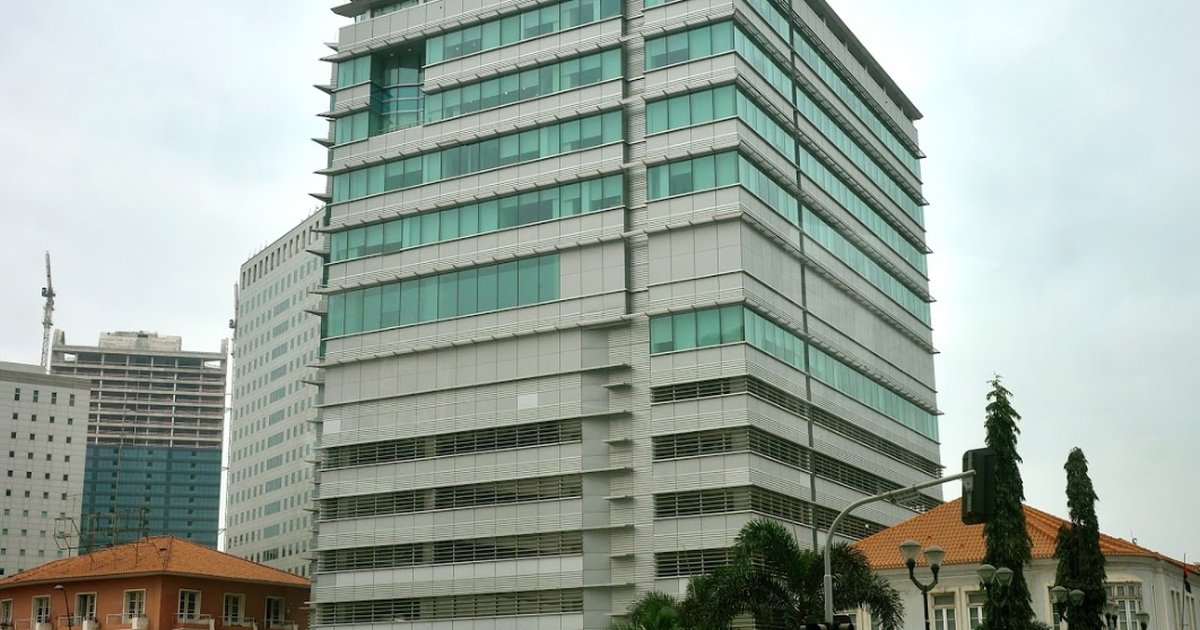
Angola
INTELLIGENCE DOSSIER: ANGOLA
Angola is a sub-Saharan African nation and critical energy supplier whose geopolitical relevance extends far beyond its borders. As Africa's second-largest oil producer and a major LNG exporter, Angola commands outsized influence in global energy markets and African Union dynamics. The country's strategic positioning between the Atlantic and Central Africa, combined with vast mineral wealth including diamonds and rare earth elements, makes it a pivotal player in great power competition. Angola's recent pivot toward balanced engagement with the West, China, and emerging powers positions it as a swing state in African diplomatic architecture, particularly relevant to Western interests in countering Beijing's infrastructure dominance.
Angola's LeadersCartel Power Index ranking of 160 with a score of 2.1 reflects monitored-tier status across 4,150 intelligence sources. The signal distribution shows one high-impact indicator driving current assessment, with no emerging or watch-level escalations flagged. This placement suggests Angola maintains steady but limited direct influence on global power structures, though its resource sovereignty and African Union presence create asymmetric leverage. The stability of this ranking across monitoring periods indicates Angola operates within established regional parameters without acute volatility that would trigger tier elevation.
Recent developments demonstrate Angola's active engagement in multiple strategic domains. A $224 million Standard Bank unit stake sale signals continued capital raising and financial sector restructuring, indicating resource constraints offsetting commodity revenues. Angola's United Nations stance condemning Israeli settler expansion and co-sponsoring two-state solution resolutions with Canada and Croatia reveals alignment with non-aligned movement positioning. Most significantly, revelations of Israeli contractor BlackCore conducting online influence operations training for Angolan officials suggests covert digital warfare capacity-building, with potential implications for regional information control and cyber-enabled intelligence gathering.
Over the next 72 hours, analysts should monitor Angolan Central Bank statements regarding currency stability and foreign exchange reserves, particularly amid commodity price volatility. Track any statements from Angola's Foreign Ministry responding to the BlackCore disclosure, as government denial or acknowledgment will signal transparency thresholds and Israeli relationship resilience. The critical trigger event: any announcement of Chinese investment in Angolan critical infrastructure (ports, railways, energy facilities) would indicate shifting strategic alignment and merit immediate Power Index reassessment.