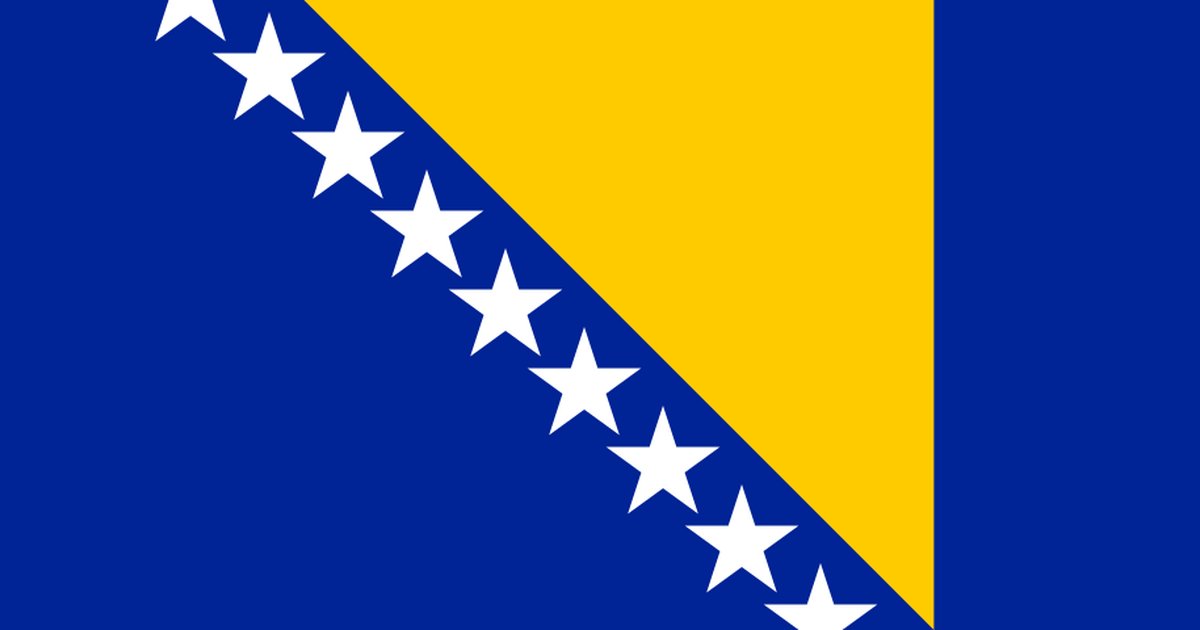
Bosnia
# INTELLIGENCE DOSSIER: BOSNIA AND HERZEGOVINA
CLASSIFICATION: MONITORED | 5-DAY SIGNAL DEPTH
Bosnia and Herzegovina is a Balkan nation-state with a complex tripartite political structure and strategic significance as a NATO aspirant positioned between Western Europe and Russian sphere-of-influence territories. Current governance operates through ethnic-based power-sharing mechanisms, making the country vulnerable to external manipulation and internal deadlock. Bosnia matters to Western security architecture because its stability directly affects EU and NATO expansion credibility in Southeast Europe and serves as a barometer for Russian influence operations in post-Soviet transition zones.
Bosnia ranks 154th on the LeadersCartel Power Index with a score of 2.2/100, indicating marginal geopolitical weight but concentrated vulnerability. Tracked across a single intelligence source with zero high-impact signals, zero emerging signals, and zero watch-tier alerts currently active, the nation's "monitored" classification reflects low but persistent instability rather than acute crisis. The country's declining index position over recent years reflects fragmented leadership capacity and susceptibility to external pressure from both Moscow and regional actors, with no clear trajectory toward consolidation or strength.
Three critical developments emerged this reporting period. First, Bosnia faces imminent leadership transition with appointment of a new Grand Mufti, signaling potential shifts in religious-political alignment within Islamic communities that constitute roughly 50 percent of the population. Second, Trump administration operatives engaged directly with Milorad Dodik, the Serb-majority entity leader and known pro-Russian politician, raising immediate questions about whether Washington is reconsidering Balkans containment strategy under the current administration. Third, structural analysis indicates Bosnia's political future exhibits regression patterns toward pre-Dayton ethno-nationalist competition rather than institutional consolidation, suggesting cyclical instability.
Analysts should monitor U.S.-Dodik communications intensity and Trump administration Bosnia policy repositioning over the next 72 hours. The critical trigger event to watch is whether official U.S. diplomatic engagement with Dodik signals potential acceptance of Serb entity secession or constitutional revision, which would fundamentally destabilize NATO's Balkans perimeter and invite coordinated Russian leverage throughout the region.
No active signals currently tracked.