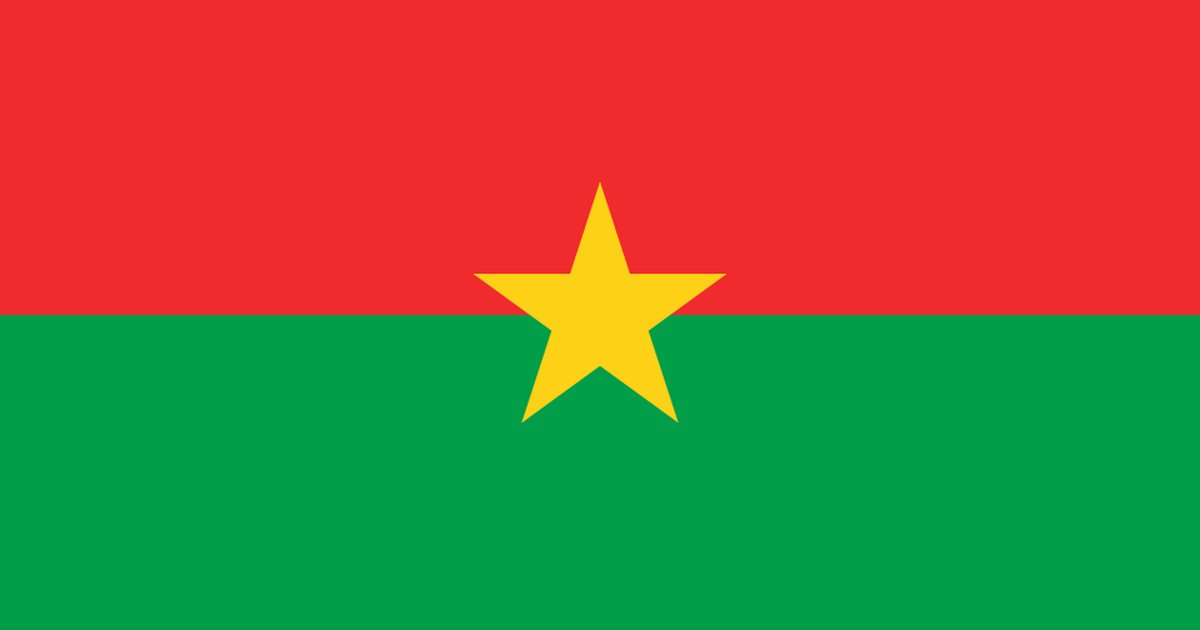
Burkina Faso
BURKINA FASO INTELLIGENCE DOSSIER
Burkina Faso is a West African nation of 22 million people currently governed by military leadership following successive coups, most recently in September 2023. The country occupies critical geopolitical real estate as a Sahel anchor state bordering Mali, Niger, Ivory Coast, Ghana, Benin, and Togo, making it a corridor for regional stability, migration flows, and counterterrorism operations. Burkina Faso's significance extends beyond borders: it holds uranium reserves, sits atop key trade routes, and represents a critical test case for African sovereignty amid great power competition over continental influence. The nation's strategic value lies in its positioning as either a stabilizing force or potential flashpoint in West Africa's ongoing security crisis.
Burkina Faso currently ranks 193rd on the LeadersCartel Power Index with a score of 1.8, placing it in the monitored tier across five intelligence sources. The low score reflects limited independent diplomatic leverage, constrained economic capacity, and high internal fragility. The signal distribution—zero high-impact signals, one emerging indicator, and zero watch-level threats—suggests stable but weak positioning rather than imminent collapse or sudden escalation. This ranking indicates Burkina Faso functions as a secondary actor shaped by external pressures rather than a primary regional driver. The emerging signal tracking reflects its dependence on patron relationships with Moscow and Beijing for security guarantees and military support.
Three headline signals demand immediate attention. The president's participation in the Russia-Africa summit signals deepening Moscow alignment despite mounting costs documented in reporting on Sahel junta dependence on Russian support. The second headline highlights the strategic contradiction: juntas across the Sahel increasingly rely on Russia for military backing while facing unclear long-term gains or exit strategies. Third, the "African teams' Argentina ordeal" signal suggests broader instability affecting even non-security sectors, indicating systemic governance challenges cascading into civil society. These signals collectively suggest Burkina Faso remains trapped between security imperatives driving Russian partnerships and emerging questioning of those relationships' viability.
Analysts should monitor Russian military delivery schedules and any announced Wagner or Africa Corps troop rotations over the next 72 hours, as these indicate commitment depth. Watch for statements from France or ECOW