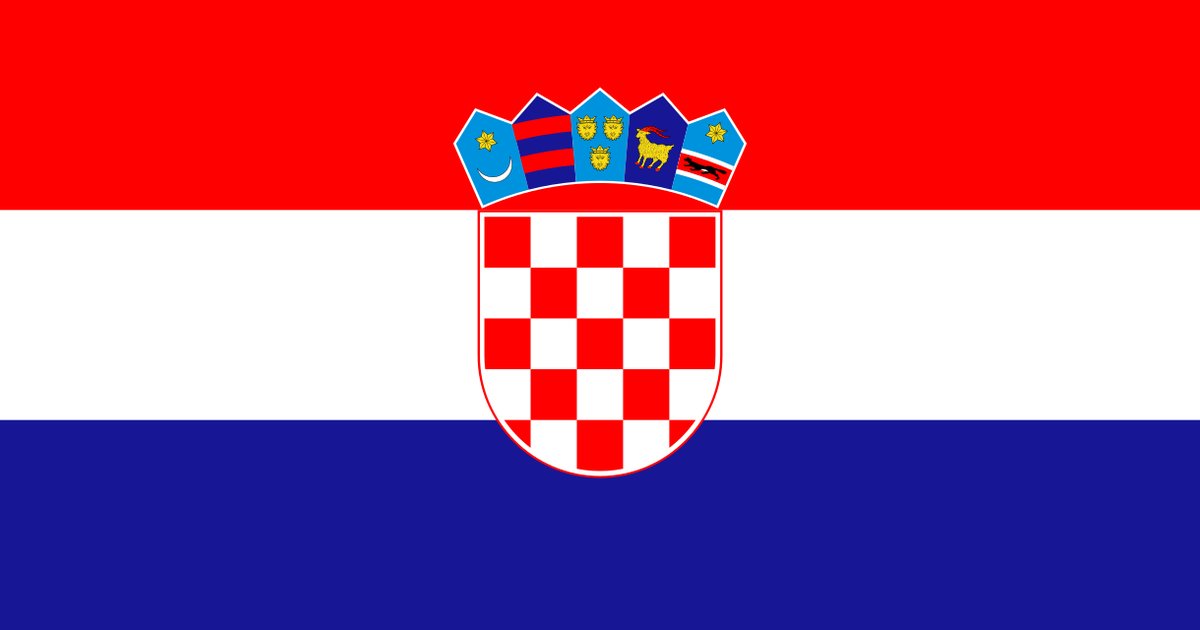
Croatia
INTELLIGENCE DOSSIER: CROATIA
Croatia is a European Union and NATO member state in Southeast Europe, currently led by Prime Minister Andrej Plenković, serving as a critical Balkan gateway between Western Europe and the Eastern Mediterranean. Croatia's strategic significance stems from its Adriatic coastline, its role as an EU frontier bordering non-member states, and its position within NATO's eastern defensive perimeter facing Russian regional interests. The nation ranks among Europe's smaller economies but punches above its weight diplomatically through EU institutional participation and Mediterranean strategic positioning.
On the LeadersCartel Power Index, Croatia ranks 220 globally with a composite score of 1.6, indicating monitored-tier geopolitical weight tracked across four intelligence sources. The signal distribution shows one emerging indicator and one watch-level signal, with zero high-impact signals currently active. This ranking reflects Croatia's limited direct power projection capacity but sustained relevance within European institutional frameworks. The stable monitored tier suggests Croatia maintains steady diplomatic influence without acute escalation risk, though emerging signals warrant close observation for shifts in regional dynamics.
Three critical developments emerged this reporting cycle. First, Croatia's wartime grievances are actively threatening Montenegro's EU accession timeline targeting 2028 entry, indicating Zagreb's use of institutional leverage to address unresolved Balkan historical tensions. Second, Uber's robotaxi deployment expansion into Manchester demonstrates technology sector confidence in Western European infrastructure, with potential implications for Zagreb's own smart city ambitions. Third, Dubrovnik's tourism marketing as a premium Adriatic destination reflects Croatia's economic pivot toward high-value tourism versus traditional sectors, generating hard currency and foreign investment.
Analysts should monitor the Montenegro-Croatia EU dispute trajectory over the next 72 hours for escalation signals that could fracture Balkan consensus on European integration. Watch for statements from EU leadership, particularly Friedrich Merz's Germany, regarding dispute mediation capacity. The primary trigger event: any formal Croatian veto or blocking motion against Montenegro's 2028 accession benchmarks would signal major institutional friction requiring escalation protocols.