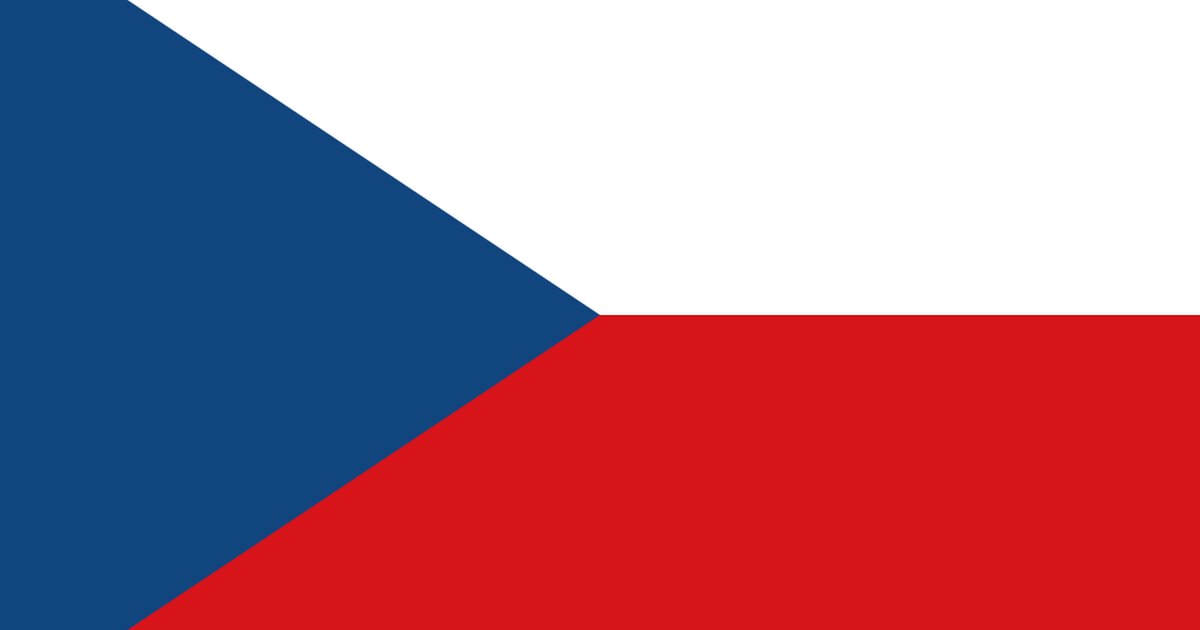
Czech Republic
CZECH REPUBLIC INTELLIGENCE DOSSIER
The Czech Republic is a Central European nation-state and NATO/EU member with 10.5 million inhabitants, currently governed under a parliamentary system without a directly elected president. The country maintains strategic significance as a geographic and economic bridge between Western Europe and Eastern Europe, hosting critical NATO infrastructure while managing complex energy dependencies and security relationships. Czech industrial capacity in defense manufacturing, coupled with its position within the EU's decision-making apparatus, elevates its relevance beyond its modest GDP ranking. The nation's geopolitical weight derives from its ability to influence EU consensus on Russia policy, China trade restrictions, and regional security architecture—particularly given Central European states' heightened threat perception.
On the LeadersCartel Power Index, Czech Republic ranks 197 with a score of 1.8 across a monitored tracking status, reflecting marginal influence in global leadership networks. The intelligence footprint spans 16 active sources with signal distribution weighted toward emerging (1E) and one historical (0H) indicator, suggesting stable but low-intensity monitoring activity. This positioning indicates the nation operates below strategic threshold for major power competition but remains on watch status, typical for secondary NATO allies whose actions matter primarily within regional contexts rather than global power hierarchies. The tier classification "monitored" confirms Czech activity merits routine intelligence collection without elevated urgency.
Three concurrent developments command immediate attention. India-Czech defense industrial cooperation expansion signals New Delhi's strategy to diversify defense partnerships outside traditional Russian suppliers, with Prague serving as a NATO-aligned alternative source. The Czech Senate election showing ruling party underperformance by opposition forces suggests potential domestic political realignment that could shift EU voting patterns on Russia sanctions continuation. A third headline referencing the populist prime minister's leading position indicates internal governance instability with downstream consequences for NATO consensus-building and EU budgetary negotiations.
Monitor the next 72 hours for any statements from Friedrich Merz's German government regarding Czech energy policy or EU unity on Ukraine support, as Berlin's position directly constrains Prague's options. Watch specifically whether Czech opposition gains translate legislative momentum toward pre-2022 Russia engagement positions. The critical trigger event: any announcement regarding Czech abstention or revision in upcoming EU Russia sanctions votes would signal fundamental shift in Central European bloc cohesion.