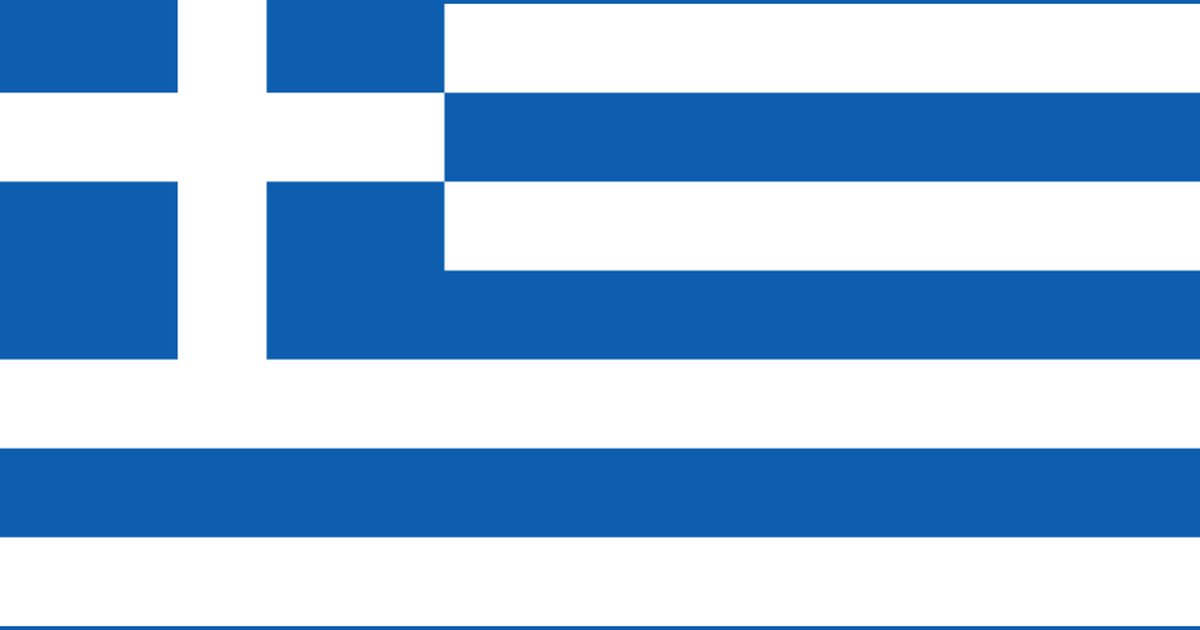
Greece
GREECE INTELLIGENCE DOSSIER — PRIORITY: MONITORED
Greece is a NATO and EU member state serving as a critical southeastern European gateway between Western institutions and Eastern Mediterranean geopolitics. Currently led by Prime Minister Kyriakos Mitsotakis, Greece occupies strategic significance as a Balkans stabilizer, energy corridor hub, and key NATO southern flank asset. The nation's role extends beyond its 10.7 million population: it controls critical shipping lanes, maintains substantial military presence facing Turkish waters, and functions as primary EU bulwark against regional instability emanating from Syria, Libya, and broader Middle Eastern volatility.
Greece registers at rank 66 on the LeadersCartel Power Index with a score of 5.9, tracked across 122 active intelligence sources. The signal distribution reads 0H/6E/0W, indicating minimal high-impact activity but six emerging signals requiring analyst attention. This monitored-tier placement reflects Greece's stable but constrained geopolitical footprint—insufficient hard power to project influence beyond immediate region, yet sufficiently integrated into Western structures to warrant continuous surveillance. The ranking suggests neither ascending nor collapsing trajectory, but rather steady-state European periphery positioning with periodic volatility spikes tied to Turkey relations and EU fiscal cycles.
Three signals merit immediate analysis. Belgium's debt trajectory now mirrors Greece's historical crisis pattern, signaling potential EU structural instability echoing 2015 contagion fears. The European Women's World Cup playoff dynamics carry secondary significance as soft power messaging regarding European integration narratives. Most critically, Greece's Turkish minority school closures represent escalating internal tensions with direct implications for Turkey-Greece stability, particularly as Friedrich Merz's Germany Chancellor posture shifts European balance toward stricter EU governance standards affecting Greek minority protections.
Monitor Turkish minority education policy developments as primary trigger. Within 48-72 hours, analysts should track whether Greece's government issues formal response to school closures, as such statements historically precede bilateral escalation or EU-mediated interventions. Watch for coordinated EU statements through Macron's office regarding minority protections—failure to materialize would signal weakening Brussels consensus on Greece-Turkey management.