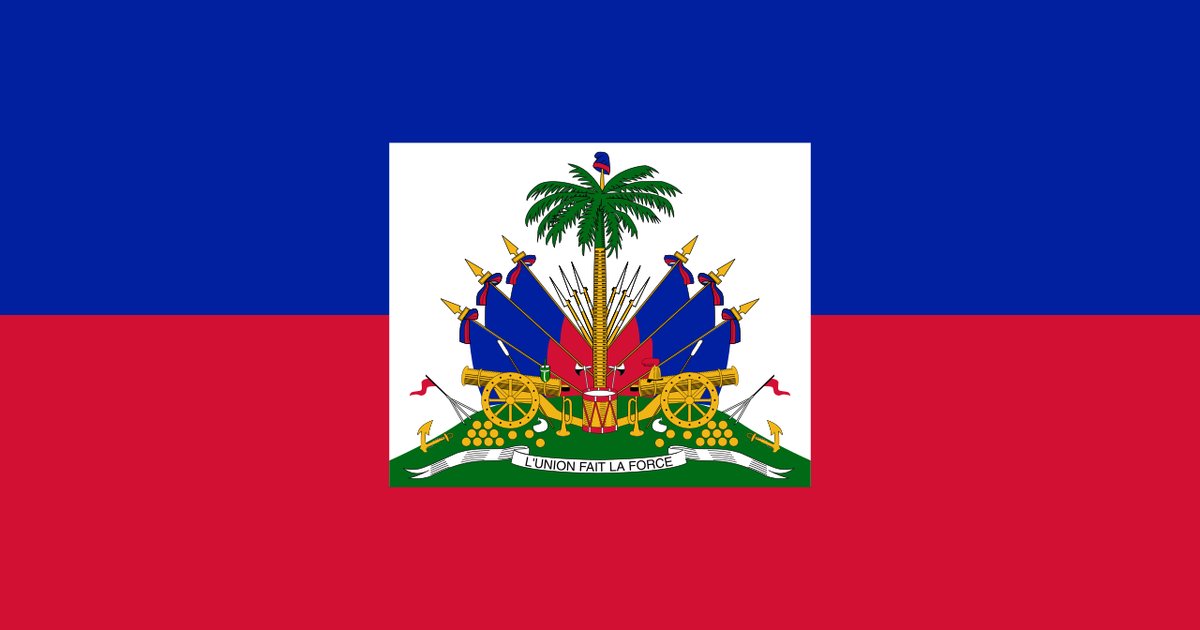
Haiti
# INTELLIGENCE DOSSIER: HAITI
Haiti is a Caribbean nation-state currently experiencing acute institutional fragility and humanitarian crisis, ranking 224th globally on the LeadersCartel Power Index with a score of 1.6/100. As the Western Hemisphere's most economically disadvantaged country and a critical transit zone for narcotics trafficking into North American markets, Haiti's internal stability directly impacts US border security and regional geopolitical equilibrium. The nation's strategic significance derives not from power projection capacity but from its vulnerability as a failed-state proxy for hostile actors and criminal networks operating with minimal governmental obstruction.
Haiti's monitored tier status reflects emerging rather than sustained power dynamics, with signal distribution weighted toward one emerging indicator and negligible high-impact signals across two tracked intelligence sources. The 1.6 score indicates minimal institutional capacity, suggesting Haiti operates primarily as a platform for transnational criminal organization activity rather than a state actor with independent agency. The stable but depressed ranking indicates chronic rather than acute deterioration, though the nation remains perpetually susceptible to cascading collapse scenarios.
This week's signal cluster indicates mounting pressure on gang-affiliated revenue streams, with Haiti sanctions renewed specifically targeting criminal ammunition procurement networks. Simultaneously, international narrative management appears active, with Houthi-related coverage potentially obscuring Haiti reporting, while cultural intelligence emerged surrounding a Haitian-Canadian novelist's AI-authenticity controversy, suggesting information warfare targeting diaspora confidence narratives. These signals collectively suggest external powers are intensifying both kinetic pressure on criminal networks and information-domain operations against Haiti's international perception.
Analysts should monitor whether renewed sanctions trigger retaliatory gang violence targeting humanitarian corridors or diplomatic presence. The specific trigger event to track over 72 hours is gang coalition response timing—whether criminal organizations activate cross-border operations into Dominican Republic or accelerate US-bound trafficking to offset ammunition procurement losses. This response pattern will indicate whether external pressure generates stabilization or anarchic dispersal.