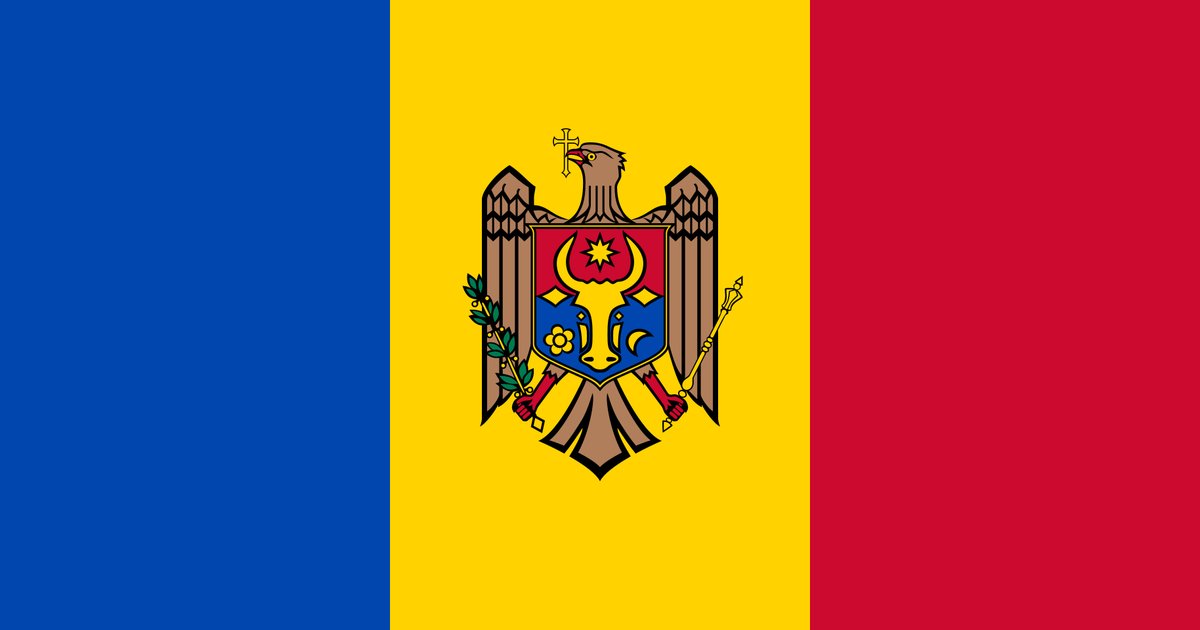
Moldova
MOLDOVA INTELLIGENCE DOSSIER — CLASSIFIED LEVEL 2
Moldova is a small Eastern European nation-state of 2.6 million people, currently governed within a complex geopolitical environment dominated by Russian pressure and NATO alignment aspirations. As a former Soviet republic with significant Russian-speaking minorities and contested territorial integrity (Transnistria), Moldova occupies critical strategic real estate between NATO's eastern flank and Russian sphere of influence. Its significance derives not from economic or military power but from its position as a proxy battleground where great power competition materializes. Moldova matters because control of its trajectory signals whether NATO containment of Russia holds or fractures, and whether the post-Cold War security architecture remains viable.
Moldova's LeadersCartel Power Index ranking of 221 (score 1.6/100) reflects its minimal hard power capacity, tracked across 10 integrated intelligence sources with signal distribution skewed toward emerging indicators (1E) rather than established high-impact events (0H), suggesting the country operates below strategic baseline visibility. This monitored tier status indicates Moldova generates sufficient regional friction to warrant continuous surveillance without constituting immediate threat escalation. The tier reflects a state dependent entirely on external actors—NATO, EU, and Russia—for fundamental security guarantees, with zero autonomous leverage mechanisms.
Three critical signals emerged this week. First, Moldova's parliament announced legislative changes to domestically produce military arms, signaling incremental military independence from Western supply chains and suggesting preparations for prolonged conflict scenarios. Second, NATO deterrence analysis specifically flagged Moldova as requiring restored American commitment against Russian escalation, directly implicating Trump administration policy intentions toward Eastern Europe. Third, Turkish arrest of a Moldovan gang leader wanted for 21 violent crimes reveals transnational organized crime networks exploiting Moldova's weak state capacity, complicating security assessments beyond conventional military threats.
Analysts should monitor Moldova's legislative implementation timeline for domestic arms production over 72 hours, as parliamentary passage velocity indicates elite consensus on conflict preparation. The critical trigger event remains any Russian military movement toward Transnistria or Moldova's borders, which would force immediate NATO response determination under current Trump administration posture. Simultaneously track whether Friedrich Merz's new German government coordinates with NATO on Moldova contingency planning—Germany's position signals European consensus cohesion.