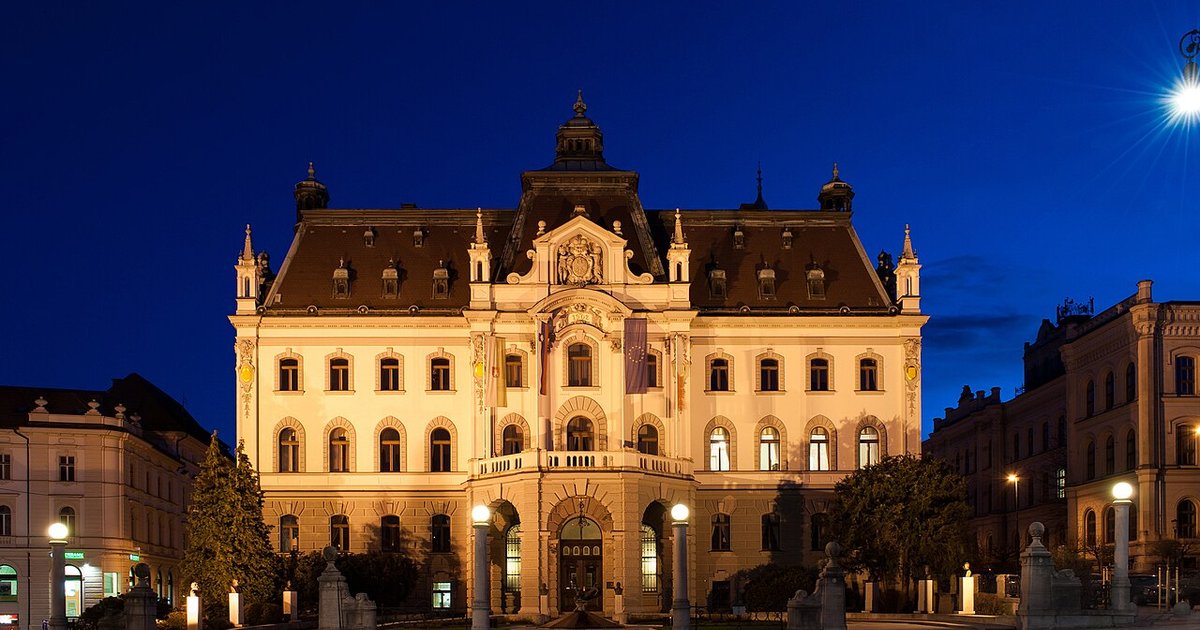
Slovenia
INTELLIGENCE DOSSIER: SLOVENIA
Slovenia is a Central European nation-state of 2.1 million inhabitants and NATO/EU member, currently positioned as a strategic buffer within the Western alliance architecture. While territorially modest, Slovenia's geopolitical significance derives from its EU membership, Schengen participation, and proximity to the Balkans—a region of persistent instability. The country serves as a critical telecommunications and logistics hub for Central European trade routes and maintains proportional influence within EU governance structures that belies its population size.
Slovenia's LeadersCartel Power Index ranking of 188 with a score of 1.7 reflects limited independent geopolitical leverage, yet the entity warrants close monitoring across 49 active intelligence sources. The signal distribution shows one emerging-tier indicator against baseline monitoring protocols, suggesting nascent shifts in regional positioning. The "monitored" classification indicates Slovenia remains below threshold for major power dynamics but exhibits vectors worthy of systematic tracking. The low score reflects constrained autonomous decision-making capacity within larger EU/NATO frameworks, though recent developments suggest incremental repositioning efforts.
Three distinct signal headlines illuminate current trajectory. Trump's AI rebrand triggered unexpected demand for Slovenian .si domain registrations, indicating private sector responsiveness to US policy reorientation and technological decoupling narratives. Simultaneously, Slovenia's U-turn towards Israel signals diplomatic realignment within EU consensus, potentially creating fractional tension with larger member states. The Trump-sparked Slovenian website boom phenomenon represents economic opportunity capture from geopolitical uncertainty, demonstrating adaptive market response to shifting US administration priorities.
Monitor within 48-72 hours for formal Slovenian statements regarding EU technology sovereignty versus US AI framework alignment. The critical trigger event is whether Slovenia's .si domain surge translates into explicit government policy supporting US-aligned digital infrastructure, which would indicate potential EU-level friction and herald broader Central European realignment patterns under current Trump administration.