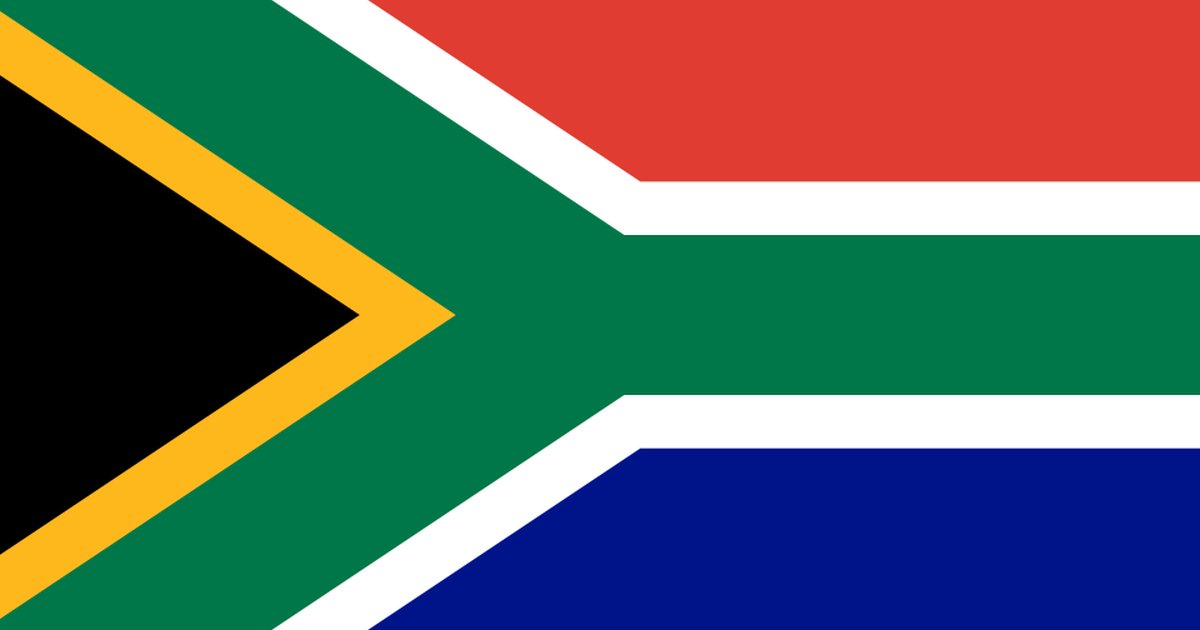
South Africa
SOUTH AFRICA INTELLIGENCE DOSSIER
South Africa is the continent's most industrialized economy and a pivotal regional power whose geopolitical alignment shapes African positioning on global conflicts and economic partnerships. As Africa's second-largest economy and a BRICS member alongside China, Russia, and India, South Africa commands strategic importance in the emerging markets bloc while maintaining democratic institutions and Commonwealth ties to the United Kingdom and France. Their control of critical mineral supplies—platinum, diamonds, and rare earths—and their role as gateway to sub-Saharan African markets makes them essential to both Western and non-aligned power calculations. South Africa's internal stability and foreign policy choices directly influence African Union decisions and continental responses to conflicts from Gaza to Ukraine.
South Africa's monitored tier status with a LeadersCartel Power Index score of 4.0/96 reflects a nation navigating complex geopolitical pressures while managing severe domestic constraints. Tracked across 1,035 active intelligence sources, the 2H/2E/0W signal distribution indicates two high-impact developments and two emerging signals currently shaping their trajectory, with no watch-level concerns. The ranking suggests declining relative influence compared to previous assessment periods—driven by internal energy crises limiting projection capacity and ambiguous positioning between Western allies (US, UK, France) and BRICS partners (China, India, Russia), preventing clear alignment benefits.
This week's signals reveal critical infrastructure vulnerability and strategic repositioning. The Eskom energy monopoly reformation signals structural economic transformation as state power generation collapses, directly constraining South Africa's manufacturing competitiveness and regional leverage. Simultaneously, the Valterra Platinum underground mining expansion demonstrates private sector adaptation to resource extraction challenges, preserving critical mineral export revenues essential to their geopolitical weight. The Israeli election monitoring headline confirms South Africa's active monitoring of Middle Eastern developments—consistent with their African Union leadership role and BRICS alignment sensitivities.
Over the next 72 hours, analysts should monitor whether Eskom's restructuring accelerates foreign investment discussions with US, UK, or French energy firms, or pivots toward Chinese infrastructure partnerships. The trigger event to track: any formal South African statement on Gaza conflict recognition or Palestine statehood, which would signal either deepening BRICS alignment or repositioning toward Western-aligned African nations.