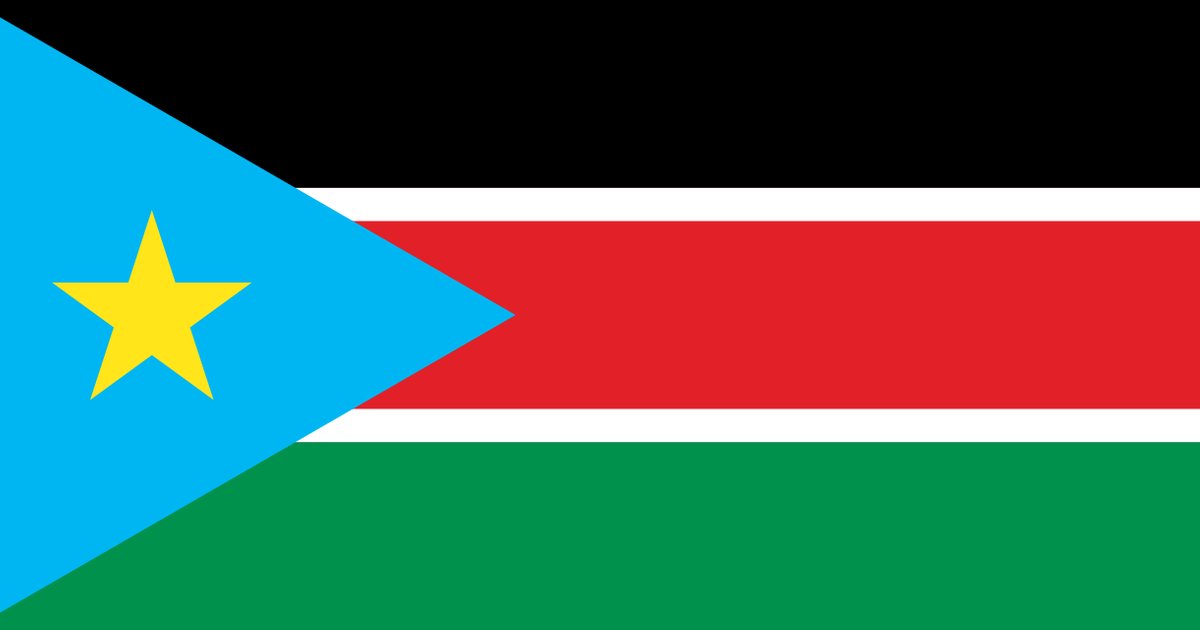
South Sudan
INTELLIGENCE DOSSIER: SOUTH SUDAN
South Sudan is a landlocked East African nation of approximately 11 million people, currently led by President Salva Kiir Mayardit, whose government maintains tenuous control over fractious territory. As Africa's youngest state, independent only since 2011, South Sudan holds strategic significance as an oil-producing nation positioned between competing regional powers—Sudan to the north, Uganda and Kenya to the south, and Ethiopia to the east. Its petroleum reserves remain economically vital despite civil conflict, while its geographic position makes it a proxy battleground for geopolitical competition between traditional Western influence and emerging Russian-Chinese engagement across the Sahel-Horn corridor.
South Sudan's LeadersCartel Power Index ranking of 235 (score 1.3/100) reflects profound institutional fragility tracked across seven distinct intelligence sources. The zero-signal distribution across High, Emerging, and Watch categories indicates the nation operates below meaningful power thresholds—a monitored-tier entity whose influence registers primarily as a regional destabilization vector rather than an active geopolitical player. This ranking decline mirrors deteriorating state capacity and persistent conflict dynamics that have eroded whatever limited leverage existed since independence.
This reporting period captures escalating communal violence across Lakes state, with rival community clashes producing significant casualties—a recurring pattern suggesting systematic breakdown of security apparatus control. These incidents reflect deeper factional competition within South Sudan's fragmented military and ethnic tensions deliberately exploited by leadership factions. Concurrent analysis links regional instability to broader Sahel geopolitical realignment, particularly Russia's expanding security footprint across destabilized African states, creating asymmetric dependencies that further marginalize Western institutional actors.
Analysts should monitor the next 72 hours for potential spillover violence affecting oil production infrastructure, any Russian military advisory expansion announcements, or humanitarian corridor disruptions. The critical trigger event remains whether Lakes state violence escalates to threaten Juba's stability or prompts international intervention coordination between UN mechanisms and neighboring states.