Tajikistan
TAJIKISTAN INTELLIGENCE DOSSIER
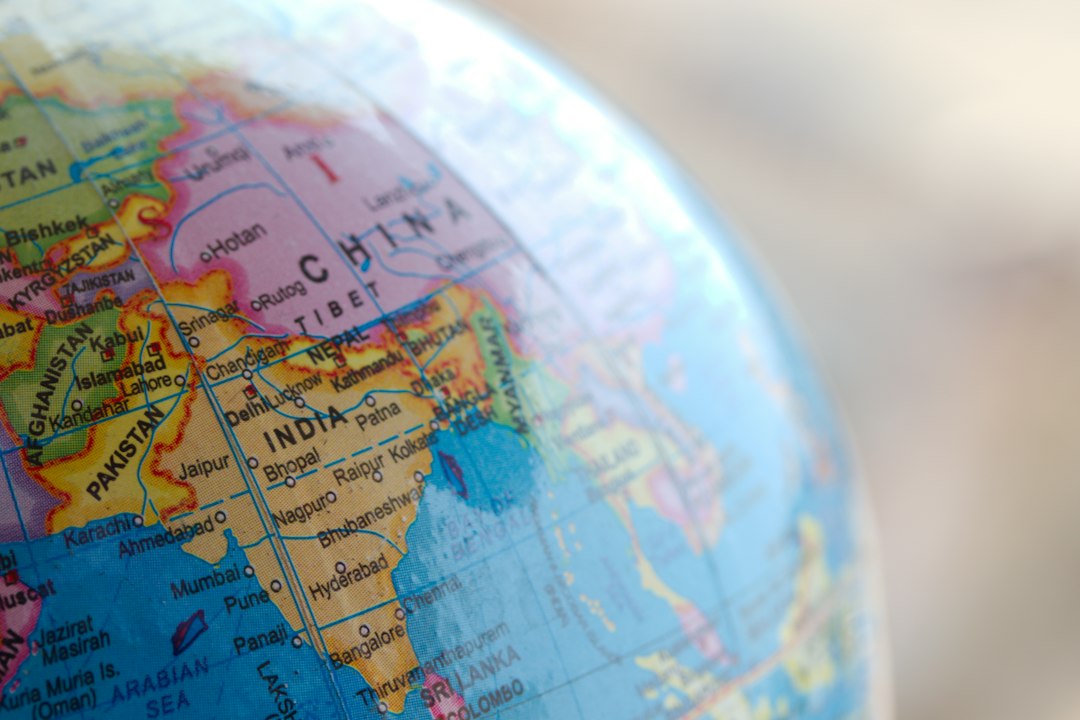
Tajikistan is a Central Asian nation-state of 9.5 million citizens, currently governed under President Emomali Rahmon's administration since 1992, serving as a critical geopolitical buffer zone between South Asia, Russia, and China. The country's strategic significance derives from its mountainous terrain controlling key transit corridors, its mineral wealth, and its position as a contested space within Beijing's Belt and Road Initiative framework and Moscow's sphere of influence. Tajikistan's border disputes with Uzbekistan remain unresolved, creating persistent regional instability that directly affects energy flows, trade routes, and security architectures across Central Asia.
Tajikistan ranks 213rd on the LeadersCartel Power Index with a score of 1.7 out of 100, placing it squarely in the "monitored" tier with minimal immediate leverage in global affairs. The tracking constellation comprises six active intelligence sources with signal distribution showing zero high-impact indicators, one emerging signal, and zero watch-level alerts. This positioning reflects Tajikistan's limited autonomous military-diplomatic capacity, though its monitored status indicates continuous potential for regional flashpoints. The nation's power trajectory remains essentially stable, constrained by economic dependency on remittances and reliance on external powers for security guarantees.
Recent signals document India's strategic pivot toward Central Asian defense partnerships. Tajikistan and Turkmenistan are jointly acquiring Indian surface-to-air missile systems, a development signaling New Delhi's competitive counter-positioning against Beijing's dominance in regional arms sales. This transaction directly undermines China's monopolistic defense procurement advantage while expanding India's geopolitical footprint under PM Modi's administration. Concurrent reporting on cross-border strategic communications indicates active information warfare surrounding these military arrangements, suggesting contested narratives about security dependencies and alliance formations.
Analysts should monitor the implementation timeline for Indian missile deliveries and any Russian pushback regarding NATO-adjacent weaponry entering Moscow's traditional sphere. The critical trigger event within 72 hours is whether Beijing or Moscow issues formal diplomatic protests regarding Indian defense expansion, which would indicate acceleration of great-power competition for Central Asian alignment. Track Tajik government statements on security partnerships closely for indicators of hedging behavior.