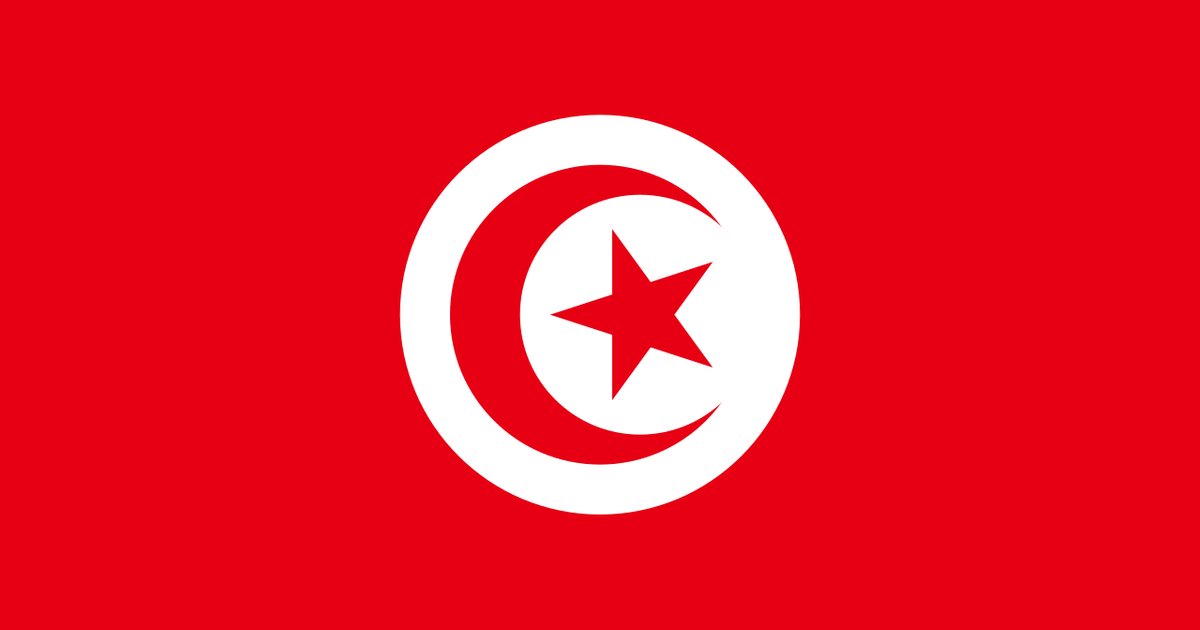
Tunisia
INTELLIGENCE DOSSIER: TUNISIA
Tunisia is a North African nation-state of 12 million people serving as a critical Mediterranean gateway between Europe and Sub-Saharan Africa, with strategic importance to NATO and EU energy security. Currently under President Kais Saied since 2019, Tunisia occupies a geopolitically sensitive position at the intersection of European migration pressures, Chinese Belt and Road infrastructure ambitions, and deepening Middle Eastern regional tensions. The country's significance derives from its Suez Canal proximity, phosphate reserves, and historical role as a democratic experiment in the Arab world—making its political trajectory a bellwether for regional stability and Western influence in North Africa.
Tunisia ranks 223 on the LeadersCartel Power Index with a score of 1.6, positioned in the monitored tier across two active intelligence sources. The entity's low ranking reflects declining state capacity and institutional erosion under Saied's consolidating executive authority. Signal distribution shows one emerging indicator and zero high-impact signals, suggesting Tunisia is sliding rather than ascending—a trajectory typical of authoritarian entrenchment without commensurate economic or military projection. The emerging signal indicates nascent instability rather than strategic ascendancy, placing Tunisia in a deteriorating equilibrium state.
Three convergent headline signals this week indicate accelerating press freedom collapse under Saied's governance. "Tunisian journalists fear jail again as freedoms erode" appears twice, signaling coordinated international concern about systematic repression mechanisms. Simultaneously, "Tunisia: What has Kais Saied achieved economically in seven years?" suggests external scrutiny of failed economic performance—critical as youth unemployment exceeds 35% and foreign direct investment stagnates. These signals compound: political repression without economic delivery destabilizes state legitimacy and creates recruitment vectors for extremist organizations operating across the Tunisia-Libya border.
Analysts should monitor judicial detention rates of journalists and any EU conditionality shifts on Tunisia funding within 72 hours. Watch for mass protest organization despite media constraints, particularly among younger demographics. The specific trigger event: if the International Monetary Fund suspends bailout tranches due to governance deterioration, Tunisia faces acute liquidity crisis, potentially destabilizing the entire Maghreb security architecture and intensifying irregular migration to Southern Europe.