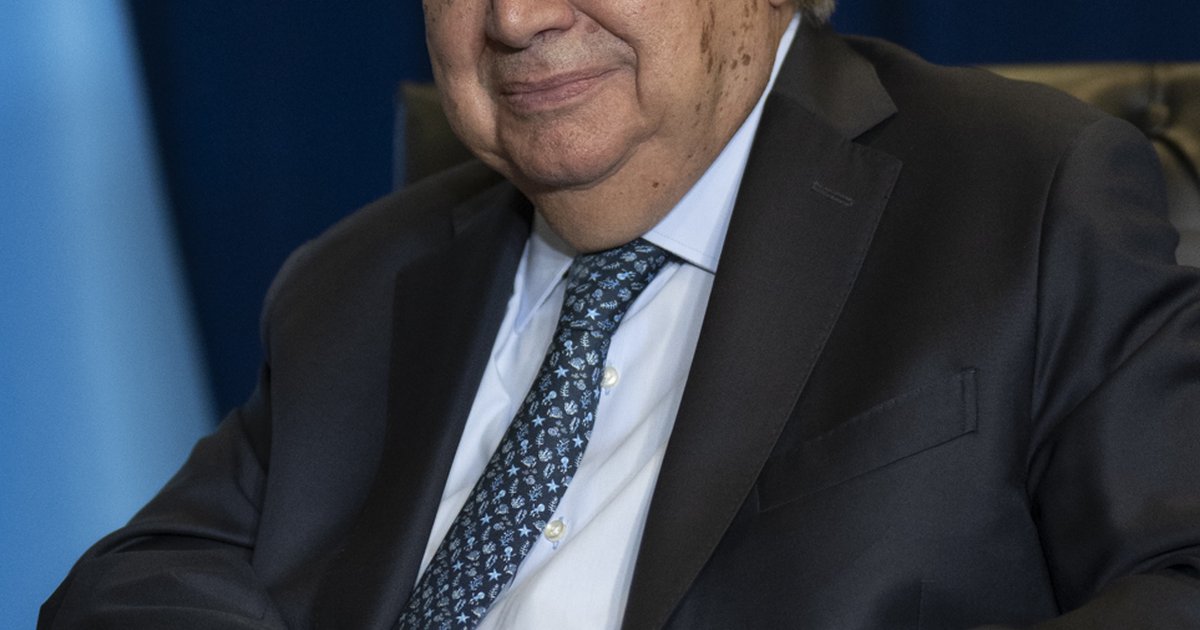
António Guterres
INTELLIGENCE DOSSIER: ANTÓNIO GUTERRES
António Guterres is the current Secretary-General of the United Nations, serving as the organization's chief administrative officer and global diplomatic figurehead since 2017. His role positions him as a symbolic arbiter in multilateral affairs and a convening authority on transnational crises including climate, security, and development. Guterres matters strategically because the UN Secretary-General maintains formal neutrality while wielding soft power through agenda-setting and moral authority—particularly relevant as great power competition intensifies between the Trump administration, China under Xi Jinping, and Russia under Putin. His Portuguese background and prior service as UN High Commissioner for Refugees provide credibility with both developed and emerging economies, though his influence remains constrained by P5 veto dynamics and shrinking institutional relevance in a fragmenting global order.
Guterres ranks 158th on the LeadersCartel Power Index with a score of 2.1, tracked across a single intelligence source with minimal active signal distribution (0H/0E/0W configuration). This middling position reflects his institutional authority offset by limited direct geopolitical leverage—UN Secretaries-General traditionally rank below heads of state and major economic actors. The tier classification as "monitored" suggests stable but low-impact trajectory; absent emerging signals or high-impact developments, his influence trajectory remains flat. The sparse signal distribution indicates limited mainstream intelligence focus, typical for diplomatic functionaries without direct resource control or military command authority.
Recent statements captured in LeadersCartel signals reveal Guterres positioning the UN as responsive to power realignment. His call for a "more representative global governance" at the Shanghai Cooperation Organisation summit in Kyrgyzstan directly challenges Western-centric institutional architecture—a message calculated to resonate with Modi's India, China, and Russia while subtly critiquing Trump-era US unilateralism. The headlines regarding succession speculation ("The U.N.'s Next Leader Will Be Either a Secretary or a General") indicate internal institutional stress and stakeholder uncertainty about UN direction post-2026, when his second term concludes.
Analysts should monitor whether Guterres extends his second term or names a successor, as this decision signals UN member confidence amid Trump's transactional foreign policy. The specific trigger to watch: whether the Security
No active signals currently tracked.