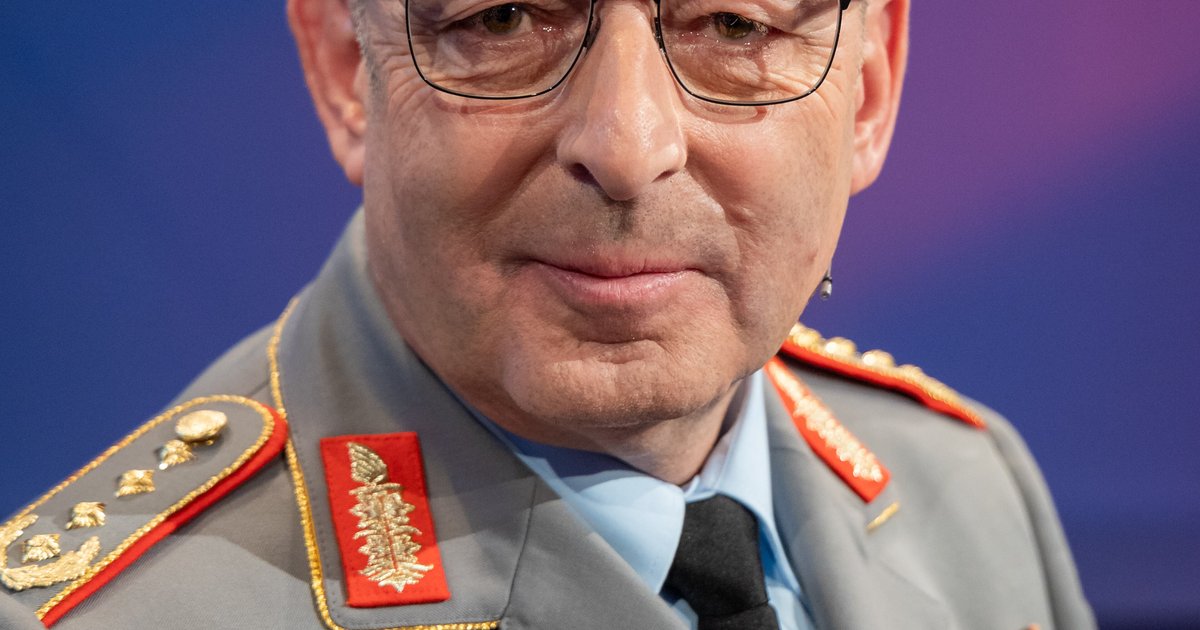
Carsten Breuer
INTELLIGENCE DOSSIER: GENERAL CARSTEN BREUER
CLASSIFICATION: MONITORED
DATE: [Current]
General Carsten Breuer is Germany's Defence Minister and newly elected Chair of the NATO Military Committee, making him the highest-ranking military officer within the Alliance. As Germany's defence chief reporting to Chancellor Friedrich Merz, Breuer commands influence over NATO's 32-member strategic military posture during an era of renewed great-power competition. His elevation to the Military Committee chairmanship signals Berlin's reassertion of leadership on continental security architecture, particularly as Europe recalibrates its Russia strategy under the Trump administration's transactional approach to NATO burden-sharing.
Breuer ranks 176th on the LeadersCartel Power Index with a composite score of 1.8, tracked across 14 active intelligence sources. His profile reflects emerging prominence rather than established dominance: signal distribution shows one emerging-tier indicator and one watch-tier signal, with no high-impact signals currently active. This positioning suggests Breuer is ascending within NATO institutional hierarchies but remains constrained by Germany's historical military limitations and relative budgetary constraints compared to the United States. The monitored tier classification indicates sustained analyst attention as his role develops.
Three major headlines converge on Breuer's strategic mandate. First, his selection to head NATO's military committee represents institutional validation of German security leadership—a symbolic shift eastward from Atlantic-centric command structures. Second, multiple signals emphasize his platform to warn about Russian threat escalation, positioning him as a primary voice articulating European deterrence requirements to Washington. Third, his election signals NATO's intent to strengthen transatlantic military coordination precisely as U.S. security commitments face budgetary reexamination under the new administration.
Monitor Breuer's statements during the next 48-72 hours regarding NATO defense spending commitments and Article 5 invocation scenarios. The critical trigger event is any formal German military deployment proposal to Eastern Europe, which would test both Merz's coalition stability and Trump administration reciprocity expectations. Track his engagement with U.S. military leadership and any public divergence from Washington's negotiating posture on Ukraine.