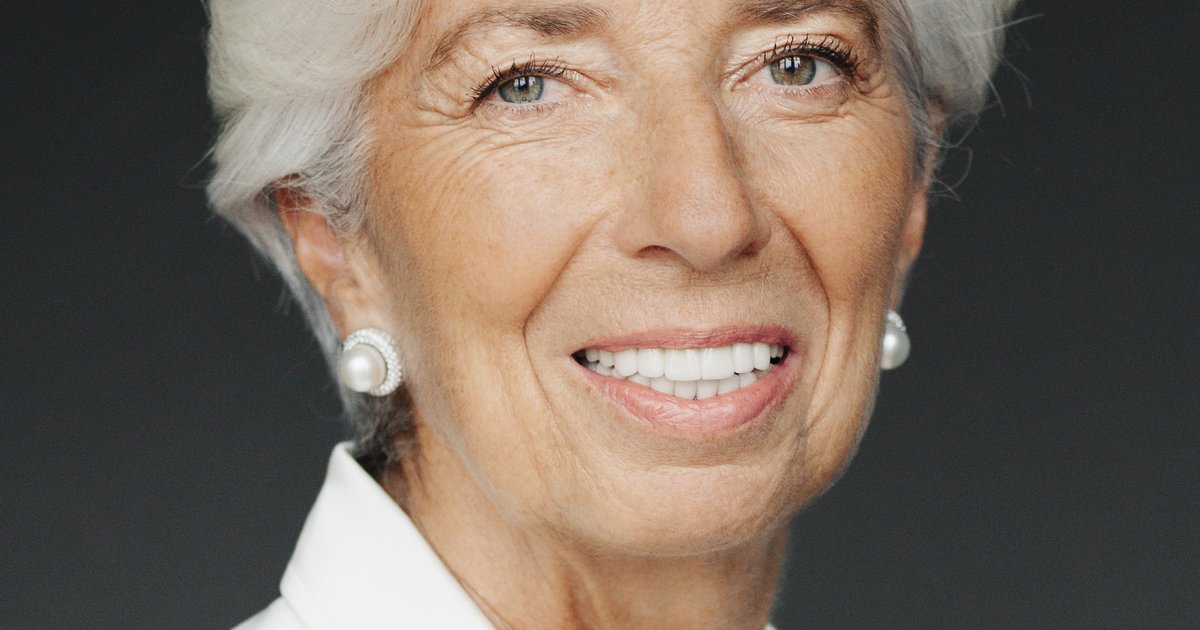
Christine Lagarde
CHRISTINE LAGARDE: INTELLIGENCE DOSSIER
Christine Lagarde is the President of the European Central Bank, France's highest-ranking official in supranational financial governance, and a defining voice on European strategic autonomy. She holds the most powerful monetary policy position in the eurozone, directing policy for 20 nations and 370 million citizens. Her significance extends beyond central banking: Lagarde functions as de facto strategist for European technological and geopolitical independence, directly influencing EU-US-China relations through both monetary signals and public advocacy on industrial policy. She matters because ECB decisions ripple across global capital markets, and her public statements shape European political consensus on critical infrastructure, AI development, and defense spending.
Lagarde's LeadersCartel ranking of 212 with a score of 0.6 reflects a monitored-tier trajectory tracked across two active intelligence sources. Her signal distribution—zero high-impact signals, one emerging signal, zero watch-level flags—indicates a currently stabilizing position after recent volatility in eurozone policy debates. The "monitored" designation suggests elevated but not critical tracking; her influence remains substantial but faces headwinds from structural eurozone constraints and member-state fragmentation. The emerging signal concentration points to developing leverage points rather than immediate institutional threats.
Three headline signals converged this reporting period. Lagarde's call for European AI sovereignty ("Europe must build own AI or risk getting cut off by US or China") directly challenges Trump administration technology dominance and signals ECB positioning within Trump's anticipated tech decoupling agenda. Simultaneously, succession speculation ("European capitals barter over Christine Lagarde's successor") introduces uncertainty into eurozone leadership continuity at a critical moment for monetary policy. Her rejection of French left-wing debt cancellation proposals (Mélenchon) reinforces orthodox fiscal positioning and reveals tension with rising anti-austerity movements within member states.
Analysts should monitor ECB policy signaling toward Trump's expected tariff and trade escalation within 72 hours. Watch for any Lagarde public statements on Fed-ECB coordination or coordinated response to anticipated US trade measures. The critical trigger: any formal ECB rate guidance shift or emergency policy meeting call would signal elevated eurozone stress and confirm Lagarde's transition from monitored to elevated-risk status.