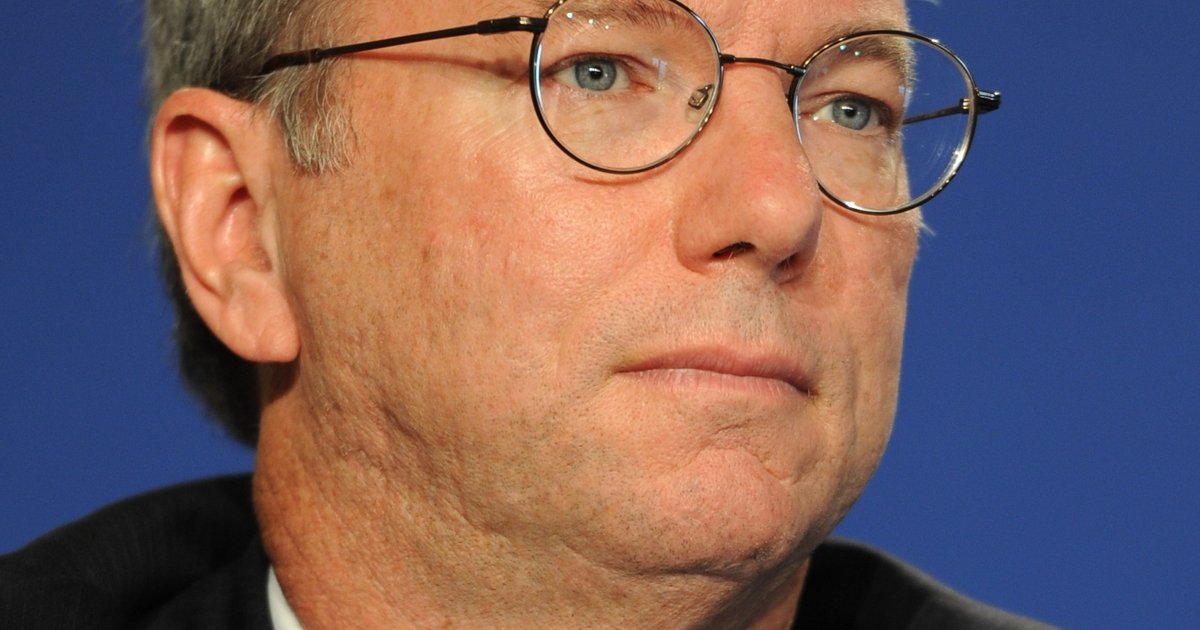
Eric Schmidt
INTELLIGENCE DOSSIER: ERIC SCHMIDT
Eric Schmidt is a technology executive and strategic advisor whose influence extends across artificial intelligence governance, corporate leadership, and emerging technology policy. Currently serving in advisory and board capacities rather than formal executive office, Schmidt maintains significant soft power as former CEO of Google and chairman of Alphabet Inc. His global significance stems from his positioned authority in AI development discourse and his connections across Silicon Valley, government, and international tech ecosystems. Schmidt matters strategically because his public statements shape institutional investment in AI regulation and corporate responsibility frameworks that influence technology deployment globally.
Schmidt currently ranks 137th on the LeadersCartel Power Index with a composite score of 2.6 across 21 tracked intelligence sources. His signal distribution shows two emerging-tier indicators and zero high-impact signals, suggesting declining or stable positioning rather than ascending influence. The "monitored" tier classification indicates analysts track his statements for secondary-order effects on policy and capital allocation rather than direct decision-making authority. His ranking reflects significant but non-primary status in global power structures, positioning him as an influencer of technology policy rather than a director of state-level decisions.
This week's signals cluster around AI governance warnings. Schmidt co-signed an open letter alongside Reid Hoffman and prominent economists warning about artificial intelligence's economic consequences, titled "Act Now." Concurrent coverage highlighted youth demographic concerns about AI integration into education and employment markets. These signals indicate Schmidt is actively positioning himself within AI risk communication chains, attempting to shape institutional responses to technological disruption. The messaging targets both policymakers and generational cohorts directly affected by AI labor displacement.
Analysts should monitor whether Schmidt's warnings translate into formal advisory roles with the Trump administration on AI policy, given administration focus on deregulation. Watch for coordinated messaging with Hoffman regarding India's AI regulatory stance under Modi government. The critical trigger to observe is whether any G7 nation formally incorporates Schmidt's risk frameworks into national AI strategy documents within the next 72 hours, which would indicate his emerging-signal status is transitioning upward in institutional influence.