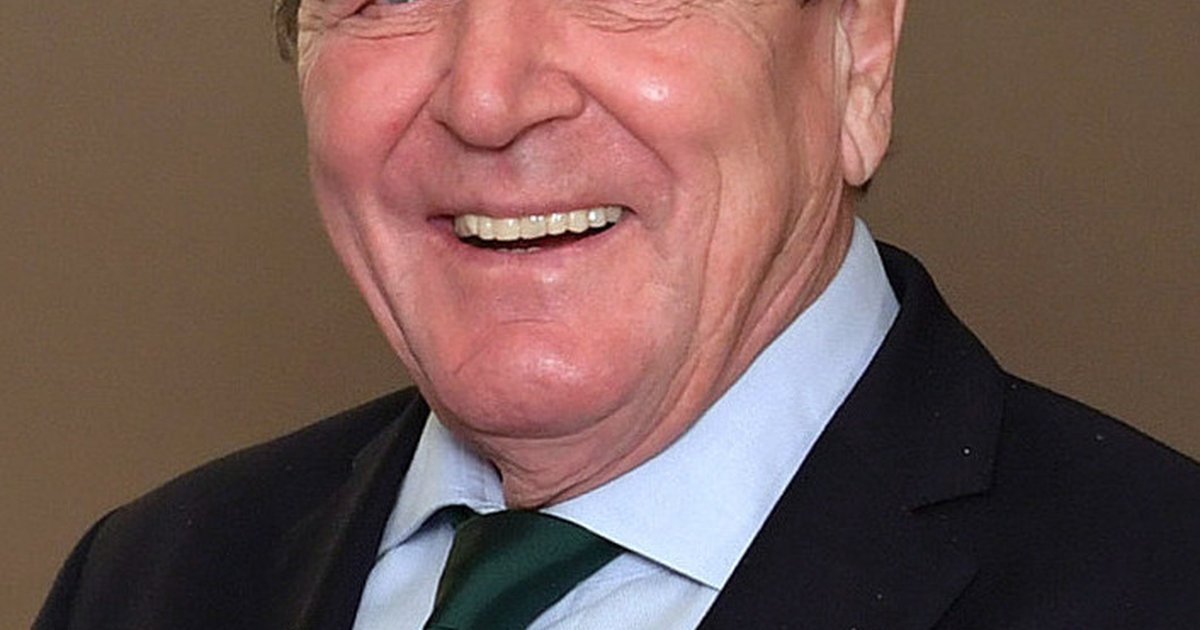
Gerhard Schröder
# LEADERSCARTEL INTELLIGENCE DOSSIER
## GERHARD SCHRÖDER — MONITORED TIER PROFILE
Gerhard Schröder is a former Chancellor of Germany (1998–2005) whose current influence operates primarily through business and advisory channels rather than formal political office. His global significance stems from his deep institutional knowledge of European-Russian relations and his documented financial ties to Russian energy infrastructure, which position him as a critical node in understanding transatlantic energy politics and Berlin-Moscow diplomatic history. Schröder matters strategically because his activities and statements reflect ongoing tensions between Western political alignment and Russian economic interests, particularly as Germany's new Chancellor Friedrich Merz (sworn May 2025) signals a harder line toward Moscow compared to his predecessors.
Schröder's LeadersCartel ranking of 203 with a score of 1.6 reflects declining but persistent monitoring status across the platform. His signal distribution (0H/0E/0W) indicates no active high-impact, emerging, or watch-tier alerts currently triggered, yet his tier classification remains "monitored"—suggesting latent relevance. The absence of active signals combined with rank stability suggests his influence has contracted significantly since his chancellorship but remains visible during specific geopolitical inflection points, particularly regarding energy and Russia policy discussions.
Recent developments show Schröder visiting "latest Russian employer, Hyperglobus," signaling continued business engagement with Russian interests despite Western sanctions frameworks. Simultaneously, Friedrich Merz's new CDU-led government has publicly criticized communication strategies of previous administrations, with unnamed "former spokesman for the German Chancellor" drawing scrutiny. These parallel signals indicate generational policy divergence: Schröder's pragmatic Russia engagement model faces institutional rejection from Merz's administration, creating a domestic political fault line over German-Russian relations.
Analysts should monitor whether Merz's government initiates formal distance from Schröder's business relationships or issues direct statements distancing Berlin from his Russian activities. The trigger event: any public statement from the Merz administration directly addressing Schröder's role in Russian energy partnerships would signal accelerating de-legitimization of the previous engagement model and mark a genuine strategic pivot.
No active signals currently tracked.