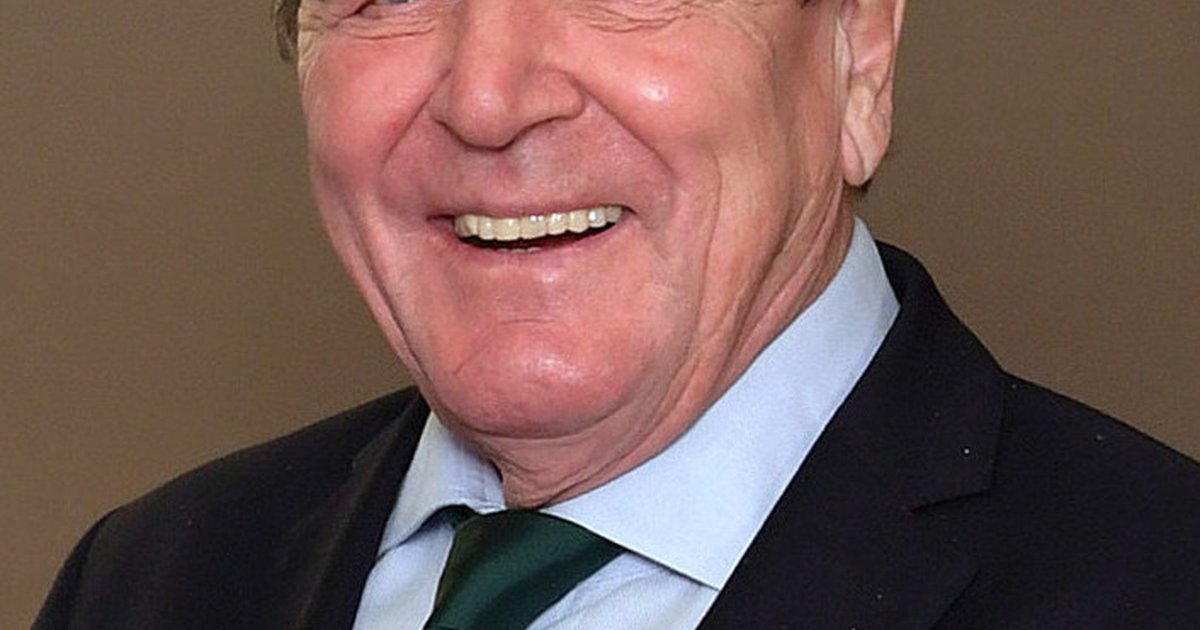
Gerhard Schroeder
INTELLIGENCE DOSSIER: GERHARD SCHROEDER
Gerhard Schroeder is a former German Chancellor (1998-2005) who remains a significant geopolitical actor despite holding no formal state office. His current strategic importance derives from his deep personal relationships with Vladimir Putin and continued influence within German political circles during a period of heightened transatlantic tension. Schroeder's significance lies not in institutional power but in his function as a bridge between Moscow and Berlin at a moment when Germany's new Chancellor Friedrich Merz is repositioning the country toward stricter Russia policy. His presence in international affairs creates diplomatic complications for Berlin's NATO alignment and complicates Germany's unified stance on sanctions and energy policy.
Schroeder ranks 162nd on the LeadersCartel Power Index with a monitored-tier score of 1.9, tracked across 10 active intelligence sources with one emerging signal currently active. His positioning reflects declining formal influence offset by persistent geopolitical relevance through private channels. The emerging classification indicates his activities are generating measurable diplomatic friction rather than institutional authority. His stable but modest ranking suggests he operates primarily as a symbolic figure and informal mediator rather than a decision-maker, yet retains sufficient access to warrant continuous monitoring.
This week, Schroeder attended Vladimir Putin's birthday celebration at the Kremlin, generating immediate backlash. Chancellor Merz publicly expressed outrage at the optics, signaling Berlin's determination to distance official Germany from Russian leadership. The Kremlin characterized the meeting as a "friendly one-on-one" exchange, suggesting Moscow values Schroeder's symbolic utility for maintaining back-channel communication despite international isolation. These headlines collectively demonstrate Schroeder's dual role as both a diplomatic liability for current German leadership and a valued interlocutor for Russian interests.
Analysts should monitor whether Schroeder's Kremlin access translates into informal mediation attempts during the next 72 hours, particularly any public statements positioning him as an alternative dialogue channel. Watch for German government responses clarifying official policy distance from his activities. The critical trigger event is whether Schroeder initiates or participates in any peace-process discussions that might undermine Merz's hardline stance.