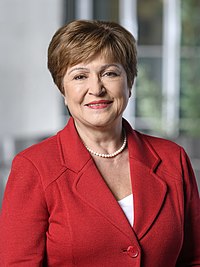
Kristalina Georgieva
INTELLIGENCE DOSSIER: KRISTALINA GEORGIEVA
Distribution: Senior Analyst Group | Classification: Monitored Tier | Date: Current Assessment
Kristalina Georgieva is the Managing Director of the International Monetary Fund, the multilateral institution governing global monetary policy and financial stability across 190 member states. She represents the technical authority on systemic economic risk and commands significant influence over sovereign debt restructuring, capital flow management, and coordinated central bank policy. Her strategic position derives from the IMF's role as lender of last resort during financial crises and her direct access to finance ministers and central bank governors worldwide, making her assessment of global economic health a leading indicator for institutional capital allocation and government policy response.
Georgieva ranks 29th on the LeadersCartel Power Index with a score of 11.5, tracked across 47 active intelligence sources. Her signal distribution shows one emerging signal with zero high-impact indicators currently active, placing her in monitored tier status. This ranking reflects stable but not ascending influence; her power derives from institutional authority rather than headline-driving events. The singular emerging signal suggests developing communication initiatives rather than crisis-level intervention, indicating the IMF is in advisory posture rather than emergency response mode.
Recent signal activity captures three substantive developments. Georgieva issued stark economic warnings for 2027, signaling IMF concern about medium-term fiscal sustainability and potential demand contraction. Simultaneously, she backed coordinated global central bank rate hikes, indicating alignment with Federal Reserve and ECB policy tightening—a consensus position that strengthens institutional credibility. Her statement on US inflation exceeding Federal Reserve targets for 5.5 years frames persistent price pressure as structural rather than transitory, directly challenging current Trump administration economic claims and justifying continued restrictive monetary policy across allied economies.
Monitor the next 72 hours for Georgieva's statements on Mexico's economic stability and bilateral trade impacts under the Trump administration's tariff framework. Watch for any signals linking IMF technical missions to Mexico or emerging market currency volatility. The critical trigger event is whether she convenes emergency coordination with central banks regarding capital flight from emerging markets—a call that would shift her status from monitored to high-impact tier within hours.