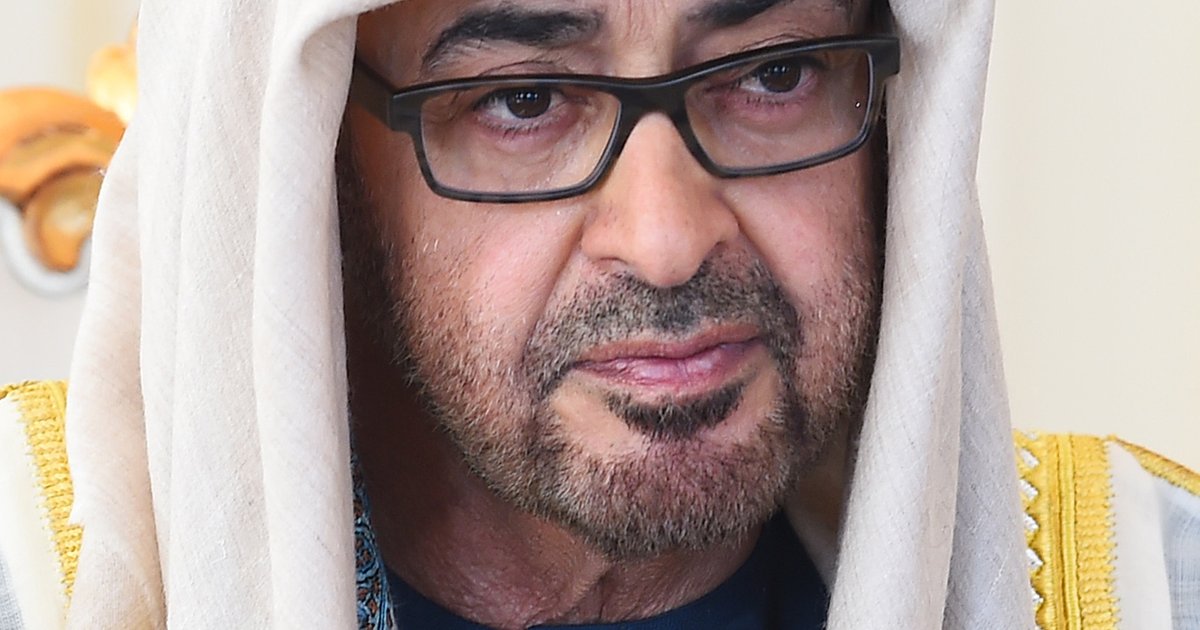
Mohamed bin Zayed
INTELLIGENCE DOSSIER: MOHAMED BIN ZAYED AL NAHYAN
Mohamed bin Zayed Al Nahyan is the current President of the United Arab Emirates, having assumed office in May 2022 following the death of his father Sheikh Zayed bin Sultan Al Nahyan. As leader of a major Gulf petrostate with $150+ billion in sovereign wealth assets and strategic positioning at the intersection of Middle Eastern, Asian, and Western interests, he commands disproportionate influence over regional geopolitics, energy markets, and Abraham Accords implementation. His significance derives from UAE's role as a pivotal broker between Iran sanctions regimes, Israeli normalization, and traditional Arab states, while maintaining critical energy and financial relationships with both Russia and the West.
Mohamed bin Zayed currently ranks 151st on the LeadersCartel Power Index with a score of 2.5, indicating monitored-tier significance across zero active high-impact signals, zero emerging indicators, and zero watch-level developments in the current reporting window. The absence of fresh signal activity suggests either stable baseline influence or a temporary lull in observable strategic actions. His positioning reflects substantial but non-dominant regional power relative to Trump's renewed Middle East engagement, Xi's Belt and Road leverage, and Modi's expanding Gulf partnerships.
Three critical developments emerged this week across LeadersCartel tracking. Mohamed bin Zayed engaged directly with Russia's Putin on diesel supply agreements affecting post-sanctions energy markets, signaling UAE's continued economic pragmatism despite Western pressure. Simultaneously, he pursued bilateral discussions with Israeli PM Netanyahu, reinforcing UAE's Abraham Accords commitment and deeper Abraham Accords integration. These parallel engagements demonstrate deliberate balancing between Russian economic interests and Israeli strategic partnerships, with immediate consequences for regional bloc formation around Trump's anticipated Middle East policy reset.
Analysts should monitor whether Mohamed bin Zayed's trilateral positioning (Russia-Israel-UAE) expands into formal coordination mechanisms or remains transactional. The critical trigger event: whether UAE coordinates energy or intelligence sharing with Netanyahu's government within 72 hours, which would signal deeper Israeli-Arab-energy coordination potentially constraining Iranian influence before Trump's second-term negotiations commence.
No active signals currently tracked.