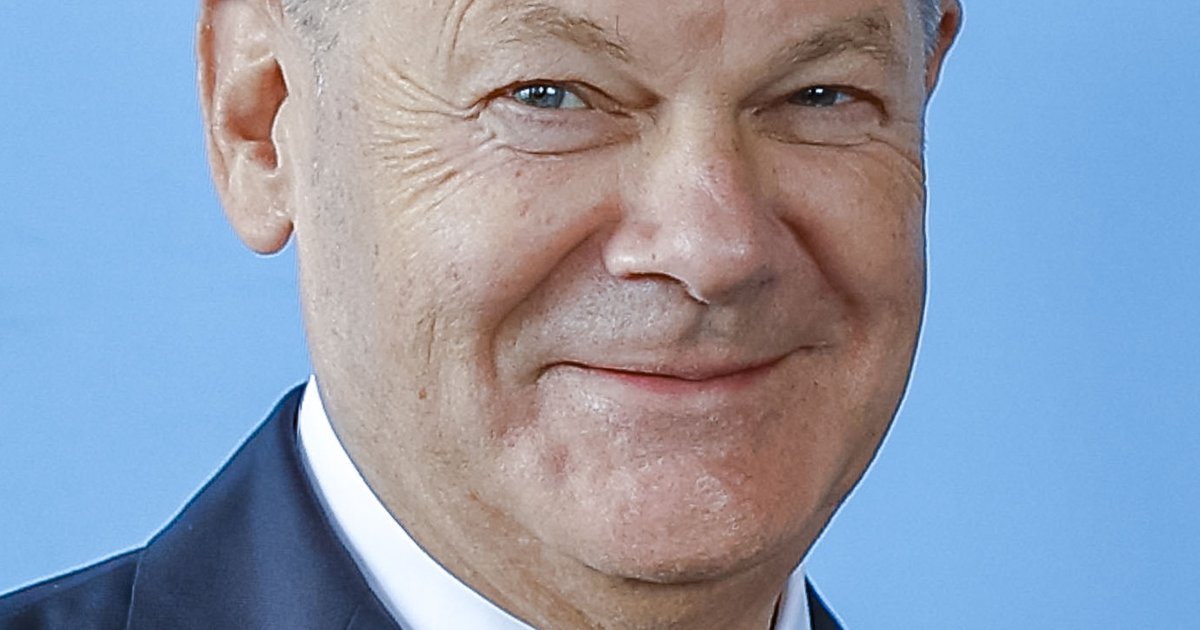
Olaf Scholz
INTELLIGENCE DOSSIER: OLAF SCHOLZ
Olaf Scholz is the former Chancellor of Germany, a position he held until May 2025 when Friedrich Merz assumed the chancellorship following coalition negotiations. As a Social Democratic Party leader and one of Europe's most senior political figures through early 2025, Scholz shaped European Union policy on energy security, NATO integration, and economic coordination during the Ukraine conflict and post-pandemic recovery. His significance derives from Germany's position as Europe's largest economy and NATO's eastern anchor, making his foreign policy decisions consequential across transatlantic relations and EU-Russia dynamics.
On the LeadersCartel Power Index, Scholz maintains a monitored-tier ranking at position 206 with a composite score of 0.5, tracked across a single intelligence source with zero active signals currently distributed across high-impact, emerging, or watch categories. This represents a substantial decline from his peak influence during his chancellorship, reflecting his transition to former-leader status. The absence of active signal distribution indicates reduced real-time geopolitical relevance compared to incumbent world leaders, though his historical role and potential future political positioning warrant continued observation.
Recent signals identify Scholz within a broader narrative concerning global leader unpopularity metrics. Headlines flagging "Germany's Chancellor Merz takes title of world's most unpopular leader" contextualize the political volatility in German governance, suggesting public dissatisfaction with recent chancellorship performance and policy direction. This reflects domestic discontent with energy policy, economic management, and NATO burden-sharing debates that defined the transition period between Scholz and Merz administrations.
Analysts should monitor whether Scholz re-emerges in German coalition politics or assumes international institutional roles within the next 72 hours. The specific trigger event to track is any announcement of Scholz accepting a position within the EU Commission, IMF, or comparable supranational institution, which would signal renewed geopolitical relevance and warrant index re-evaluation.
No active signals currently tracked.