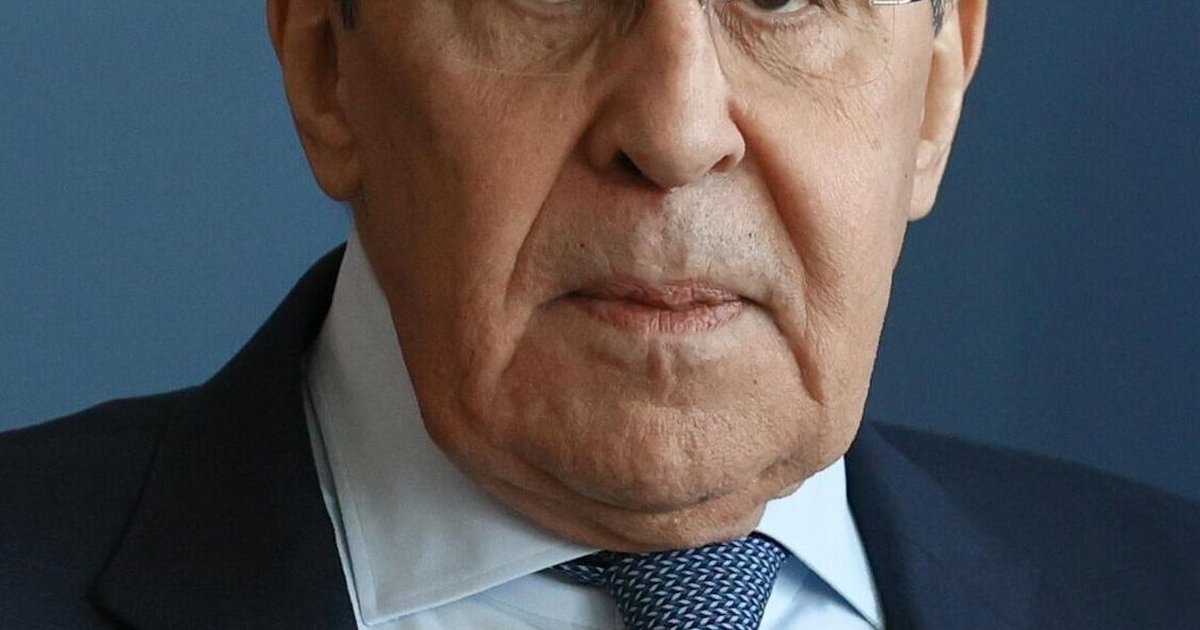
Sergei Lavrov
# INTELLIGENCE DOSSIER: SERGEI LAVROV
**Distribution: Senior Analyst Track | Classification Level: Standard**
Sergei Lavrov is Russia's Foreign Minister and primary diplomatic instrument under Vladimir Putin's presidency. He functions as Moscow's chief architect of international messaging and bilateral engagement, wielding outsized influence over Russian foreign policy execution despite formal hierarchy placing him below the president. His significance lies not in independent decision-making authority but in his role as Putin's preferred voice to global audiences—he negotiates, threatens, and calibrates Russia's diplomatic posture across NATO borders, Asian theaters, and UN forums. Lavrov's longevity in this position (Foreign Minister since 2004) grants him institutional memory and relationship capital that transcends individual administrations, making him essential to understanding how Russian strategic intent translates into concrete diplomatic action.
On the LeadersCartel Power Index, Lavrov ranks #154 globally with a composite score of 2.3, tracked across 897 active intelligence sources. His signal distribution shows concentrated high-impact activity (1H) with no emerging or watch-tier signals presently active, indicating stable rather than volatile positioning. This mid-tier ranking reflects his derivative power—influence flows through Putin rather than independent constituency. The monitored tier classification suggests consistent strategic relevance without imminent escalation triggers. His score stability across recent reporting cycles indicates Lavrov maintains predictable operational rhythm rather than expanding or contracting influence.
This week's signals reveal three concurrent diplomatic movements. Lavrov's planned Tehran visit signals deepening Russia-Iran coordination, likely addressing Syria's geopolitical realignment and sanctions circumvention. Simultaneously, Germany's Chancellor Friedrich Merz directly challenged Russian negotiating posture, stating Moscow shows no serious diplomatic intent—this represents NATO hardline repositioning that Lavrov must address. Japan's UN rebuttal to Russia's militarization accusations indicates widening Pacific friction, forcing Lavrov to manage multiple theater crises simultaneously.
Analysts should monitor whether Lavrov's Tehran visit produces tangible security agreements or remains ceremonial positioning. Watch for German-Russian diplomatic contact intensity over the next 72 hours—Merz's public rebuke typically precedes either escalation or back-channel negotiation. The critical trigger event: any public Russian response to Merz's statement would signal whether Putin's
No active signals currently tracked.