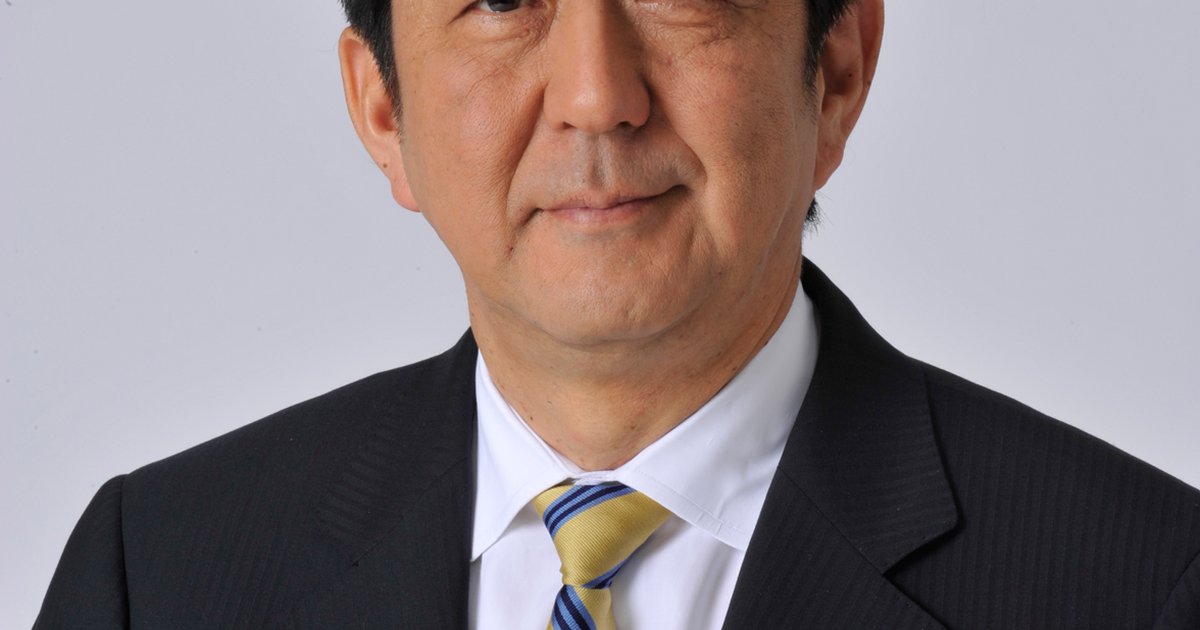
Shinzo Abe
INTELLIGENCE DOSSIER: SHINZO ABE (DECEASED)
Shinzo Abe was Japan's former Prime Minister, serving two non-consecutive terms (2006-2007, 2012-2022) and establishing himself as one of the Indo-Pacific's most consequential post-Cold War leaders. He is currently deceased, assassinated on July 8, 2022, in Nara Prefecture. His historical significance derives from economic revitalization efforts ("Abenomics"), constitutional rearmament advocacy, and regional security positioning against Chinese expansion. Abe remains strategically relevant as a symbol animating contemporary Japanese nationalist discourse and foreign policy direction under current leadership.
The LeadersCartel Power Index maintains Abe's entry at rank 189 with a monitored tier classification, reflecting ongoing geopolitical resonance despite his death. Signal distribution across four intelligence sources shows concentrated emerging (E) classification with minimal high-impact (H) or watch (W) indicators, suggesting his influence operates primarily through ideological inheritance rather than direct operational capacity. The stable positioning indicates sustained but non-escalating relevance in regional power calculations, particularly as successor administrations continue implementing his strategic framework.
Recent signal activity captures three discrete developments: Japan's current leadership invoked Abe's nationalist legacy to advance specific policy objectives, memorial observances four years post-assassination sustained public consciousness of his tenure, and Serbian diplomatic recognition highlighted his international stature. Each headline reflects ongoing instrumentalization of Abe's political memory within Japanese statecraft and proof of enduring soft power projection across allied networks.
Analysts should monitor how Japan's leadership continues leveraging Abe's ideological framework in negotiations with current US President Trump's administration regarding Indo-Pacific burden-sharing and defense posture. The specific trigger event to watch is any major policy announcement from Tokyo linking Abe's constitutional reform agenda to military capability expansion, signaling acceleration of nationalist institutional change.