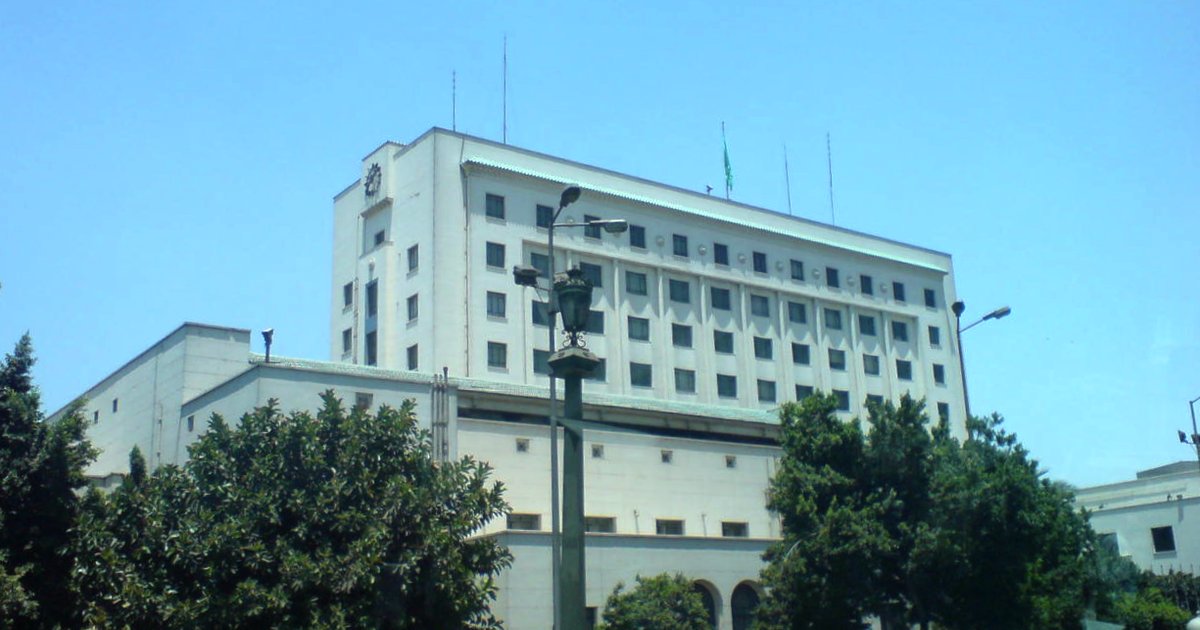
Arab League
ARAB LEAGUE INTELLIGENCE DOSSIER
The Arab League is a regional intergovernmental organization comprising 22 Arab states, functioning as the primary diplomatic and political coordinating body for the Arab world. Currently led by a newly appointed secretary-general who has prioritized reassertion of Arab League relevance in Middle Eastern affairs, the organization serves as arbiter of collective Arab interests and negotiating platform during regional crises. Its strategic significance derives from representing approximately 400 million people across territories controlling critical oil reserves, maritime chokepoints, and geopolitical leverage between global powers. The League's effectiveness directly influences stability across North Africa, the Levant, and the Persian Gulf—regions central to US, Chinese, and Russian strategic competition.
Arab League maintains rank 135 on the LeadersCartel Power Index with a score of 2.9, tracked across 3630 intelligence sources with predominantly high-impact signal distribution (1H/0E/0W). This monitored-tier positioning reflects moderate institutional influence—higher than typical NGOs but constrained by member-state fragmentation and limited enforcement mechanisms. The organization's power index has remained relatively stable, indicating neither rising relevance nor significant decline, though internal cohesion challenges persist as Gulf states pursue divergent bilateral relationships with Washington and Tehran.
Three critical signals emerged this week. First, Arab League leadership formally urged Trump to restrain Israeli actions against Palestinians, signaling attempt to maintain Arab consensus on Palestinian issue despite normalization agreements. Second, Gulf states explicitly appealed for return to US-Iran negotiations, revealing anxiety over regional proxy conflicts. Third, the new Arab League secretary-general directly called on Iran to cease attacks on member states, marking notable shift toward confrontational Iranian stance and suggesting leadership repositioning against Tehran's regional role.
Analysts should monitor whether Trump administration responds substantively to Arab League overtures on Israeli-Palestinian restraint within 72 hours. Watch for coherence among Gulf states on Iran policy. Critical trigger: any major Israeli military escalation or Iranian attack would test Arab League capacity to mobilize unified response, potentially exposing institutional weakness or revealing realigned coalition preferences.