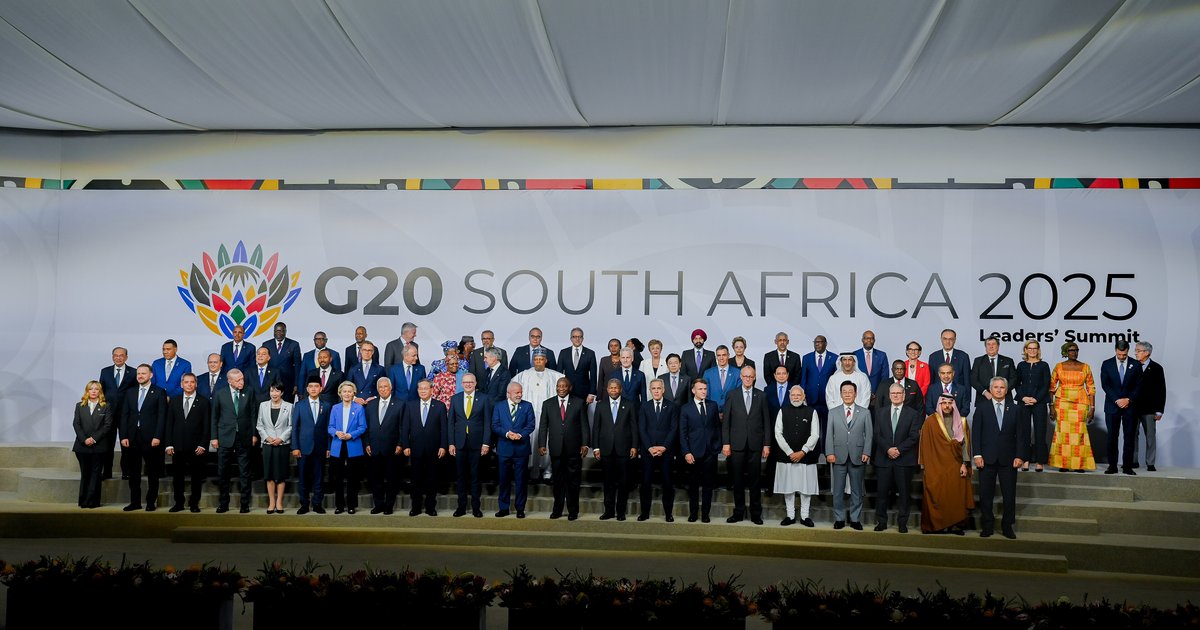
G20
# INTELLIGENCE DOSSIER: G20 MULTILATERAL ORGANIZATION
**Classification: Monitored | Tier: Routine Assessment**
The G20 is the premier multilateral forum comprising the world's 20 largest economies, serving as the primary coordination mechanism for global economic governance and crisis response. Currently operating under rotating presidency arrangements, the G20 functions as both a decision-making body and a barometer of great power consensus on international financial, trade, and development issues. Its strategic significance lies in its capacity to shape coordinated responses to systemic economic shocks, currency volatility, and geopolitical spillovers affecting capital flows and trade patterns. The organization matters because its members represent approximately 80 percent of global GDP and two-thirds of the world's population, making collective decisions here binding de facto standards across emerging and developed markets alike.
The G20 registers at position 27 on the LeadersCartel Power Index with a declining score of 13.2/100, indicating moderate institutional relevance constrained by consensus-building friction. Active signal distribution shows one emerging-tier indicator and nine watch-level signals tracked across 18 independent intelligence sources, suggesting fragmentation in member alignment rather than unified directional pressure. The monitored tier placement reflects erosion of consensus-building capacity as geopolitical polarization intensifies between Washington, Beijing, and Moscow—a structural weakness that depresses institutional power projection even as member economies remain systemically important.
Trump administration signaling this week reveals deliberate repositioning of US G20 engagement. Trump stated public preference for Putin's attendance at a prospective US-hosted G20 summit, signaling potential normalization of Russian participation despite sanctions architecture and NATO tensions—a material shift from Biden-era isolation protocols. Simultaneously, comparative sentiment data indicates American publics view China more favorably than Russia among G20 members, yet both nations rank near-bottom in favorability metrics, complicating diplomatic outreach. China's parallel messaging on exchange rate coordination and joint macroeconomic action reflects resistance to unilateral pressure, positioning Beijing as a constraint on dollar-denominated policy frameworks.
Analysts should monitor whether Trump administration actually convenes a G20 summit incorporating Russian participation, as this would constitute the trigger event signaling fundamental restructuring of multilateral economic governance architecture. Watch for coordinated Chinese-Russian messaging on reserve