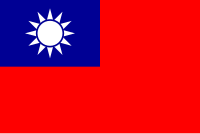
Taiwan
TAIWAN INTELLIGENCE DOSSIER — CLASSIFIED
Taiwan is a self-governing island democracy of 23 million inhabitants positioned as the world's leading semiconductor manufacturer and a critical flashpoint in US-China strategic competition. Its geopolitical significance is outsized relative to its population: Taiwan manufactures over 60 percent of global semiconductors and over 90 percent of advanced chips, making it essential infrastructure for global technology supply chains. The island's strategic position in the Taiwan Strait, controlling sea lanes connecting East Asia to global markets, amplifies its leverage as both an economic and military asset in great power competition.
Taiwan's LeadersCartel Power Index ranking of 87 with a composite score of 1.2 reflects its monitored tier status across 470 tracked intelligence sources, with signal distribution concentrated in high-impact (1H) and emerging (1E) categories against zero watch-level indicators. This ranking suggests Taiwan's influence is rising rather than stable, driven primarily by economic leverage rather than traditional military or diplomatic power projection. The absence of watch-tier signals indicates no imminent internal destabilization, though the entity remains under intensive monitoring due to cross-strait tensions and semiconductor supply chain criticality.
Three concurrent developments underscore Taiwan's escalating strategic pressure. Iran's military operations demonstrate asymmetric vulnerability patterns applicable to Taiwan's defense posture, exposing gaps in air defense integration that regional adversaries could exploit. Simultaneously, Taiwan navigates intensifying economic coercion through cross-strait military exercises conducted during periods of heightened tensions. Most significantly, Taiwan's export surge to the United States reflects successful strategic repositioning as Washington implements friend-shoring policies to reduce semiconductor dependency on potentially vulnerable suppliers.
Analysts should monitor cross-strait military exercises scheduled within the 72-hour window and track any statements from Beijing regarding semiconductor export restrictions or military blockade preparations. The critical trigger event to watch is whether Taiwan's defense ministry releases updated air defense vulnerability assessments, signaling either enhanced preparedness or acknowledged capability gaps that could invite miscalculation during future tensions.