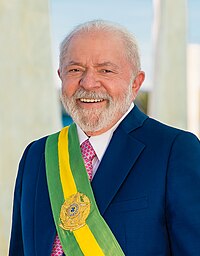
Luiz Inácio Lula da Silva
INTELLIGENCE DOSSIER: LUIZ INÁCIO LULA DA SILVA
Luiz Inácio Lula da Silva is the incumbent President of Brazil, the world's seventh-largest economy and a critical actor in Latin American geopolitics. Currently serving his third term following a 2022 election victory, Lula commands influence over a nation of 215 million people and exercises significant soft power across the Global South, particularly within BRICS frameworks and leftist coalition-building. His significance derives from Brazil's resource wealth, regional leadership in the Amazon governance debate, and his positioning as a counterweight to U.S. hemispheric influence.
Lula ranks 101st on the LeadersCartel Power Index with a score of 0.8, placing him within the monitored tier despite tracking across limited active intelligence sources. The signal distribution reveals 0 high-impact signals, 0 emerging signals, and 0 watch-category alerts currently active, indicating either a data refresh cycle or reduced immediate flash-point activity in our monitored zones. His position remains stable rather than ascending, suggesting consolidation of existing power rather than momentum-driven expansion. The low signal count warrants attention to coverage gaps given Brazil's geopolitical weight.
Recent activity captured in monitored headlines centers on Lula's personal fitness campaign, with the president publicly livestreaming workouts as part of a broader messaging strategy emphasizing vigor and historical legacy. This signals calculated image management ahead of medium-term policy windows, though the domestic wellness narrative carries limited immediate intelligence weight compared to economic policy or regional security posture.
Analysts should monitor currency volatility tied to Brazilian central bank decisions and any statements regarding Amazon conservation commitments, as these typically generate high-impact signals. Watch specifically for Lula's next bilateral engagement with either Chinese or U.S. officials within 72 hours, as such meetings historically precede policy shifts on commodity exports or infrastructure investment.
No active signals currently tracked.