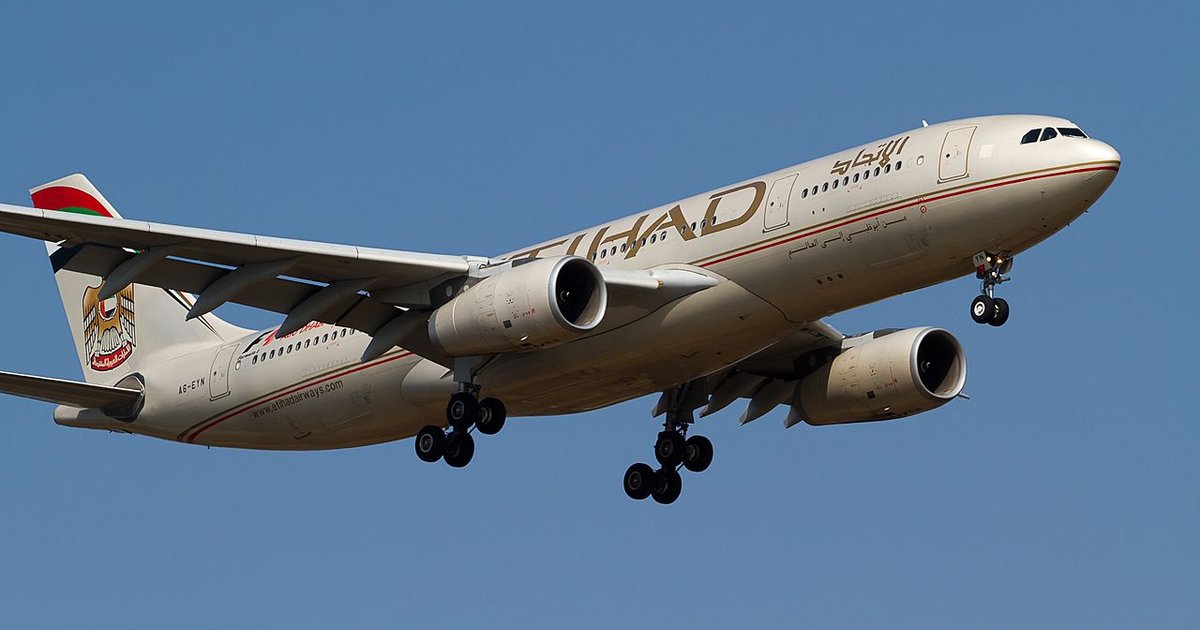
Etihad Airways
ETIHAD AIRWAYS INTELLIGENCE DOSSIER
Etihad Airways is the national carrier of the United Arab Emirates, headquartered in Abu Dhabi and operating under the strategic oversight of UAE leadership aligned with current regional geopolitical dynamics. As one of the Middle East's three dominant full-service carriers, Etihad maintains critical influence over transcontinental connectivity, aviation diplomacy, and the UAE's broader soft power projection across Europe, Asia, and Africa. The airline operates 80+ aircraft across 70+ destinations and functions as a quasi-diplomatic asset, making operational decisions that frequently reflect state interests and regional tensions. Their current role encompasses not merely commercial aviation but strategic regional positioning during a period of heightened Gulf tensions and realignment toward India and European markets.
Etihad Airways currently ranks 185 on the LeadersCartel Power Index with a monitored-tier score of 1.9 out of 100, tracked across 232 active intelligence sources with a signal distribution of zero high-impact signals, one emerging signal, and zero watch-level alerts. This position reflects moderate institutional importance weighted toward emerging developments rather than crisis-level geopolitical consequence. The stable ranking suggests Etihad operates within expected regional parameters without dramatic power concentration or decline, though the singular emerging signal indicates one developing situation meriting close observation. Their monitored-tier classification places them below strategic power nodes but above negligible actors, typical for regional carriers navigating complex state relationships.
Three critical developments emerged this reporting cycle. Etihad and Qatar Airways jointly suspended flights to Saudi cities, signaling either coordinated pressure response or shared commercial concern regarding Saudi Arabia's aviation policies and regional competition dynamics. Simultaneously, Etihad's parent conglomerate faced legal action threats from Manchester City Football Club regarding Premier League sponsorship disputes, reflecting financial and reputational exposure in Western commercial spheres. A Delhi-Abu Dhabi Etihad Airways flight cancellation stranded passengers for extended periods, indicating operational degradation or schedule disruptions affecting India connectivity—a strategically significant route given India's current PM Narendra Modi's emphasis on Middle Eastern partnerships.
Analysts should monitor whether the Saudi flight suspension reflects coordinated Gulf carrier action or isolated commercial decisions within 48-72 hours. Track whether the legal action against Manchester City sponsorship escalates to broader commercial exposure in UK