India
INTELLIGENCE DOSSIER: INDIA — ENTITY PROFILE & POWER ASSESSMENT
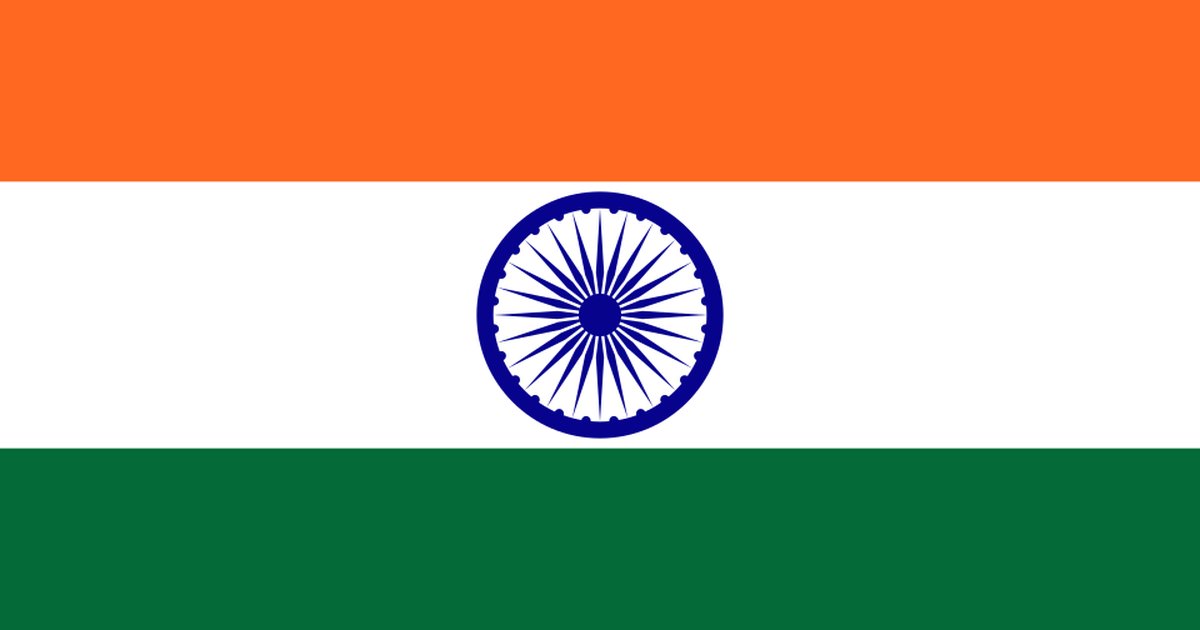
India is the world's most populous democracy and current fifth-largest economy, led by Prime Minister Narendra Modi since 2014. As a nuclear-armed nation with 1.4+ billion citizens spanning South Asia's geopolitical core, India functions as a counterbalance to Chinese regional dominance while maintaining strategic autonomy in great power competition. India's significance derives from three vectors: demographic dividend driving global consumption patterns, technological services export capacity rivaling Western providers, and its role as a swing actor in US-China strategic competition. Modi's government has positioned India as a Non-Aligned Movement successor, extracting concessions from both Washington and Beijing while expanding defence partnerships with Japan, Australia, and the EU.
India currently ranks 4th on the LeadersCartel Power Index with a composite score of 52.4, reflecting stable but constrained influence across 2653 monitored intelligence sources. The signal distribution pattern—12 high-impact indicators, 8 emerging signals, and zero watch-tier degradations—suggests consolidating but not ascending trajectory. India's "monitored" tier classification indicates sustained relevance without breakthrough momentum. Rising automotive sector performance and deepening refinery cooperation with US refiners drive positive valuation, yet India remains subordinate to China, the United States, and Russia in immediate geopolitical leverage. Modi's administration navigates resource constraints and infrastructure deficits that limit power projection beyond South Asian borders.
This week's signals reveal accelerating economic integration with Washington while maintaining strategic distance. India's automotive sector recorded 22 percent sales growth in September, signaling domestic demand resilience and manufacturing competitiveness. The US Ambassador's public engagement on refinery cooperation indicates structured energy interdependence strategies, positioning India as critical infrastructure partner rather than passive commodity consumer. Most significantly, Secretary of State Rubio's scheduled meeting with Reliance Industries chairman Mukesh Ambani signals Trump administration prioritization of India as a counterweight to China, elevating India's negotiating position within the US-led coalition despite its official non-aligned posture.
Analysts should monitor India's response to Trump's tariff architecture over the next 72 hours, particularly whether Modi's government seeks exemptions or negotiates sectoral carve-outs. Watch for official statements following