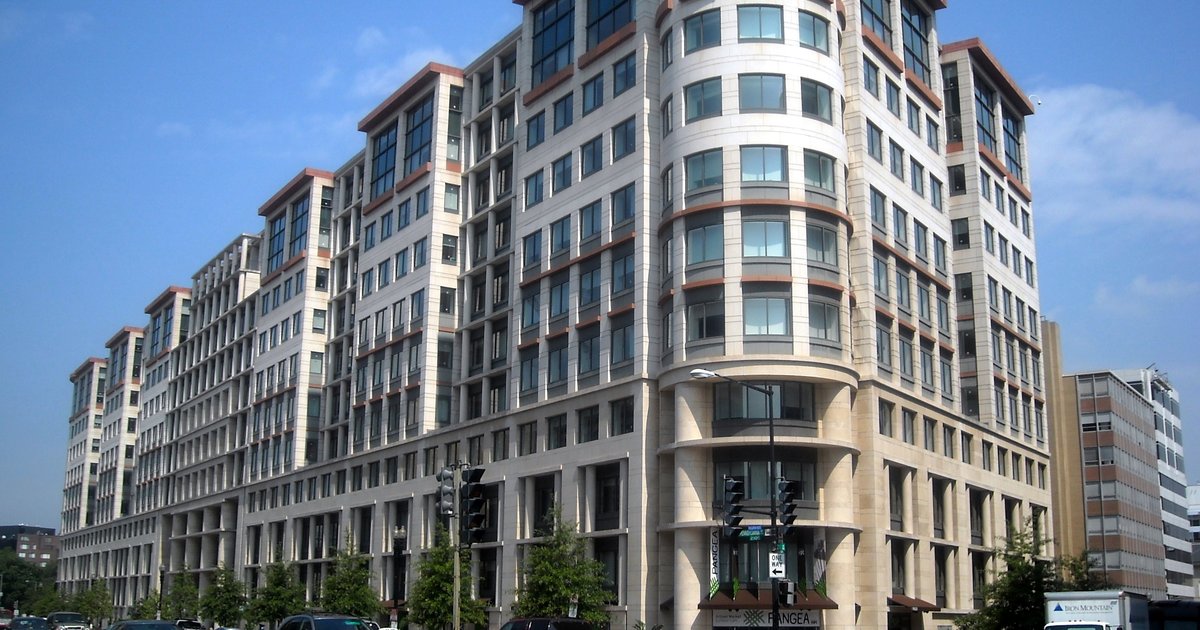
International Finance Corporation
INTERNATIONAL FINANCE CORPORATION INTELLIGENCE DOSSIER
The International Finance Corporation (IFC) is the private sector lending arm of the World Bank Group, a multilateral development institution owned by 184 member countries and headquartered in Washington, DC. As the world's largest development finance institution focused exclusively on the private sector, the IFC deploys approximately $40 billion annually in emerging markets, serving as a critical bridge between international capital and frontier economies. The organization's significance lies in its unique mandate to mobilize private investment in developing regions where commercial banks fear to tread, making it essential infrastructure for global capital flows and a key player in infrastructure, energy, and financial system development across Africa, Asia, and Latin America.
The IFC maintains a monitored tier position on the LeadersCartel Power Index at rank 166 with a score of 2.2, tracked across four distinct intelligence sources. The signal architecture reveals one emerging signal and one watch-level indicator, suggesting modest but growing institutional attention. This positioning reflects the IFC's stable but constrained influence trajectory relative to sovereign states and larger multilateral bodies. The organization's power derives not from direct political authority but from capital deployment capacity and its role mediating between the Trump administration's America First policies and emerging market governments seeking alternative financing outside traditional Western development paradigms.
Three critical signals emerged this period. The IFC's first $100 million private bank engagement signals strategic capital concentration toward emerging financial institutions, likely responding to regional banking gaps in developing economies. The organization simultaneously deployed exploration teams to Nigeria targeting livestock and energy investments, demonstrating geographic pivot toward African commodity-dependent economies increasingly isolated from Western lending post-2024. Turkey's ascendance to third-largest country in the IFC's portfolio indicates major portfolio rebalancing, potentially reflecting geopolitical recalibration toward NATO members outside traditional Western finance circles or response to Turkey's regional leverage under current global alignments.
Analysts should monitor whether the Nigeria livestock investment materializes within 72 hours—this would signal IFC's willingness to finance agriculture in high-risk jurisdictions, directly competing with Chinese development finance initiatives. Watch for any Trump administration pressure on IFC capital allocation, particularly whether the White House demands conditionality changes favoring US firms. The critical trigger: announcement of IFC's 2025 portfolio strategy statement. That document will reveal whether the organization is actively