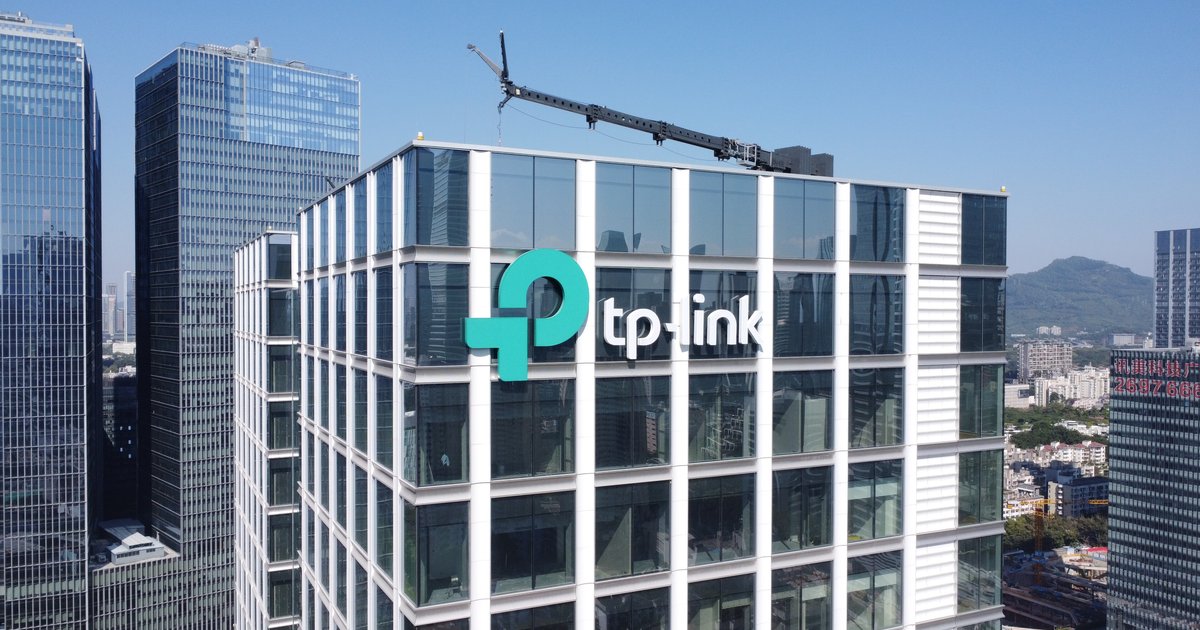
TP-Link
TP-Link is a Chinese technology company headquartered in Shenzhen and currently operating as a privately held manufacturer of networking hardware, Wi-Fi routers, and IoT devices with global distribution reaching over 170 countries. The firm maintains strategic significance as a critical infrastructure provider in the consumer and enterprise networking segment, commanding substantial market share in residential Wi-Fi equipment and ethernet switching solutions. Their positioning in the global supply chain intersects sensitive geopolitical fault lines, particularly given ongoing US-China technology competition and NATO allies' network security considerations. TP-Link's role as a de facto infrastructure vendor places them in structural tension with Western cybersecurity doctrine and trade policy frameworks increasingly skeptical of Chinese-origin networking equipment.
TP-Link's LeadersCartel Power Index ranking of 159 with a 2.4 score reflects emerging institutional attention across 55 monitored intelligence sources, characterized by a single emerging signal and one watch-tier indicator. This tier placement signals heightened scrutiny rather than decline—the company occupies a monitored status typically reserved for entities entering strategic focus cycles. The signal distribution pattern indicates TP-Link transitioned from baseline coverage into elevated analytical tracking, likely driven by cumulative regulatory pressure and competitive positioning dynamics. Their linked entities (Alibaba, EU, NATO, China, BYD) reveal the network mapping system's identification of TP-Link as a node connecting Chinese technology ecosystems with Western security apparatus and alliance structures.
This week's signal activity centers on two critical developments. Netgear's countersuit against TP-Link explicitly reframes the competitive dispute as ideological, with Netgear arguing TP-Link "remains, at its core, a Chinese company"—weaponizing origin-of-company narratives in patent litigation. Simultaneously, TP-Link announced its first consumer Wi-Fi 8 roadmap featuring the Archer 8 router series, demonstrating aggressive technology parity pursuit with established Western competitors. Additionally, TP-Link's ethernet switch products achieved 48 percent promotional pricing, signaling volume-market penetration strategy targeting price-sensitive consumer segments upgrading to 4K streaming infrastructure.
Analysts should monitor whether Netgear's litigation strategy gains traction with US courts or FTC reviews, potentially triggering regulatory investigations into TP-Link's market practices. The