United States
INTELLIGENCE DOSSIER: UNITED STATES
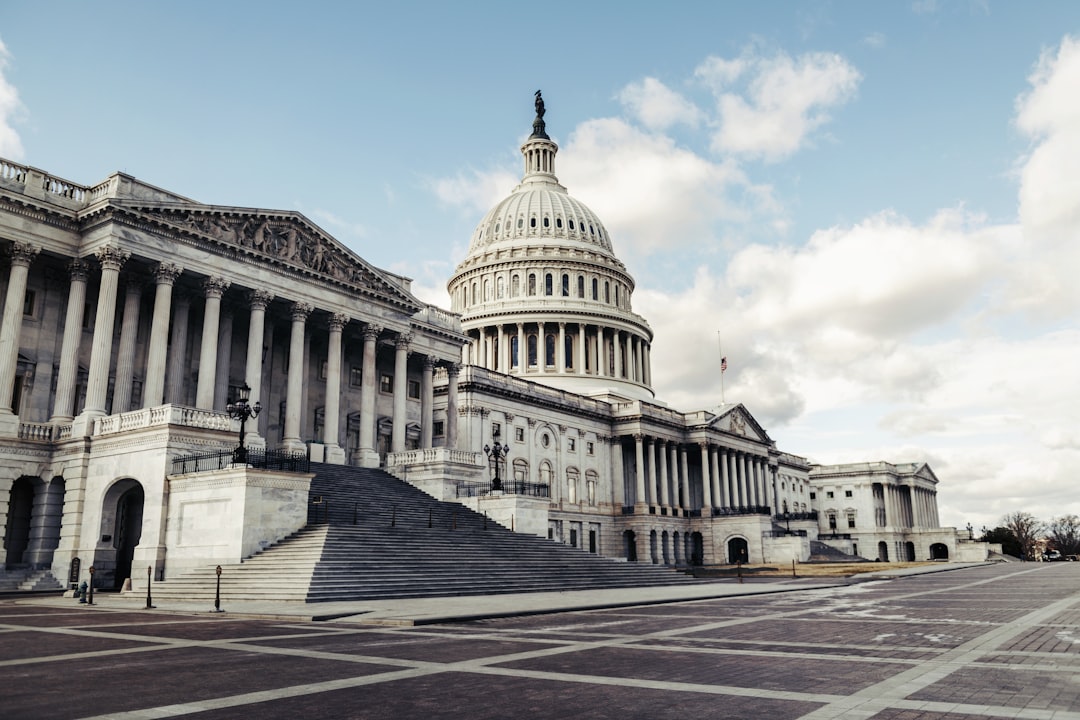
The United States is a sovereign nation-state currently led by President Donald Trump (47th, sworn January 20, 2025) and represents the primary geopolitical and economic power center in the Western hemisphere. As the world's largest economy and military superpower, the US maintains strategic primacy across military, technological, and financial domains, with current foreign policy priorities centered on confronting adversarial actors including Iran, China, Russia, and North Korea while simultaneously advancing bilateral trade arrangements with key allies including India.
The United States commands rank 1 position on the LeadersCartel Power Index with a score of 90.2, reflecting dominant positioning across monitored intelligence categories. This ranking derives from analysis across 2577 active intelligence sources with signal distribution weighted toward high-impact developments (12H active signals) balanced against emerging trends (8E) and monitored watch items (0W). The sustained tier-1 position indicates stable power projection capacity rather than declining influence, driven by Trump administration's escalatory posture toward regional adversaries and demonstrated willingness to deploy advanced military capabilities alongside targeted economic sanctions against state actors and criminal networks.
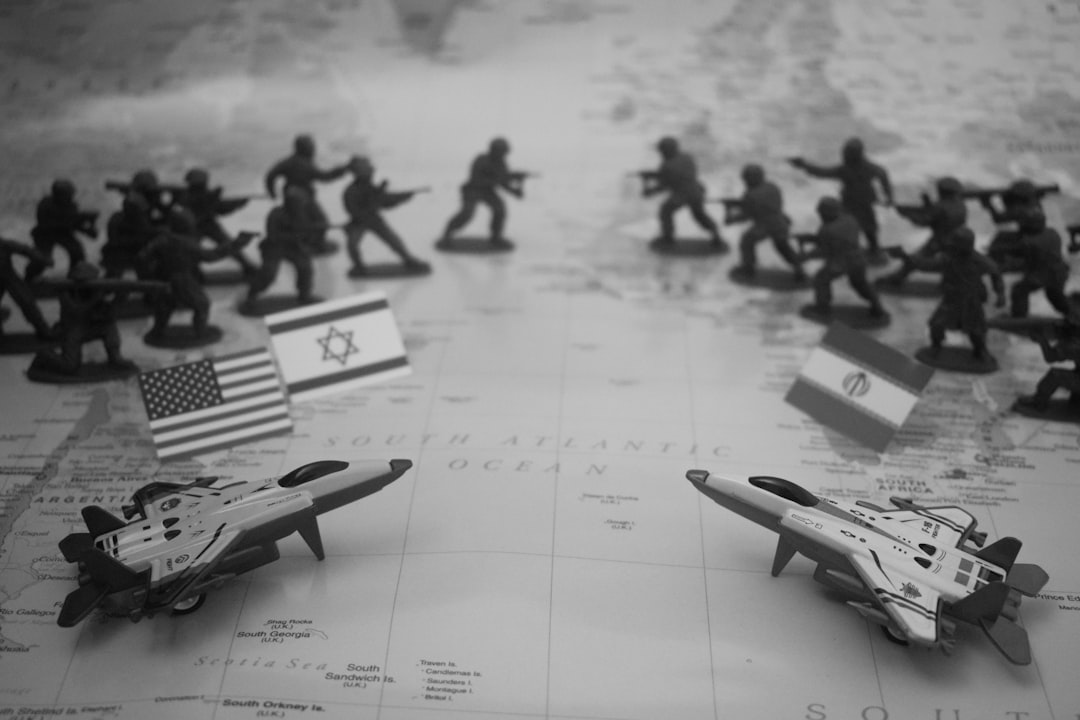
Three concurrent developments signal heightened operational tempo. First, Trump administration consideration of kinetic strikes against Iran including deployment of advanced ordnance (GBU-43 "Mother of All Bombs") indicates potential military escalation in Middle Eastern theater. Second, coordinated federal crackdown targeting North Korean IT workers operating sophisticated employment scams across 70+ US firms reveals emerging cybercriminal infrastructure requiring counter-intelligence response. Third, US-India trade negotiations advancing toward conclusion signal economic realignment prioritizing democratic allied partnerships alongside containment of Chinese commercial expansion.
Analysts should monitor Trump administration decision timeline on Iran military action over next 72 hours, particularly signals from Department of Defense regarding deployment authorization. Simultaneously track enforcement intensity against North Korean cyber operations as leading indicator of administration's prioritization of economic security threats. Critical trigger event: formal announcement of completed US-India trade deal would confirm strategic pivot consolidating democratic alliance architecture against China-Russia coordination.