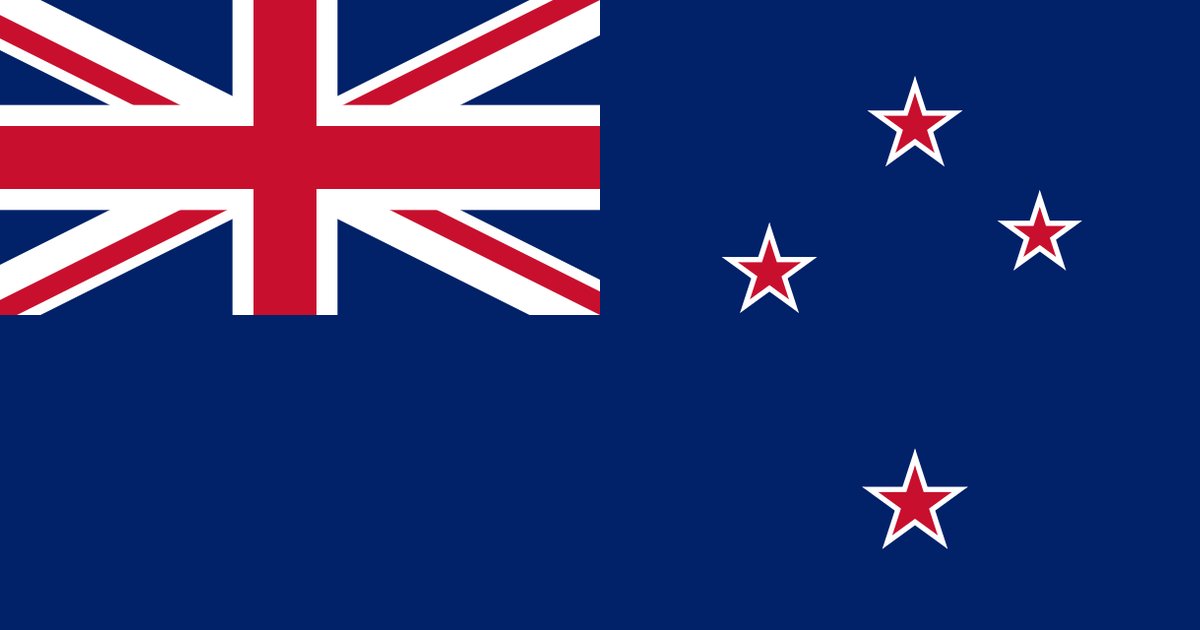
New Zealand
# INTELLIGENCE DOSSIER: NEW ZEALAND
**Classification: Monitored | Confidence: High**
New Zealand is a sovereign island nation-state in the South Pacific with significant geopolitical influence disproportionate to its 5.1 million population. Currently led by Prime Minister Christopher Luxon (National Party, assumed office November 2023), New Zealand functions as a critical Five Eyes intelligence partner, advanced democracy, and regional stabilizer across the Indo-Pacific. Their strategic significance derives from geographic positioning commanding Southern Hemisphere sea lanes, robust institutional governance, and deep security alignment with Australia, the United States, and allied democracies. As a developed economy with substantial agricultural and technology sectors, New Zealand maintains outsized diplomatic influence in UN forums and multilateral trade agreements, particularly regarding climate policy and Pacific island affairs.
Tracking across 1011 intelligence sources positions New Zealand at rank 144 on the LeadersCartel Power Index with a 2.5/100 score, classified under the monitored tier. The signal distribution (1 high-impact, 0 emerging, 0 watch-level) indicates stable but contained global influence—consistent with a mid-tier developed nation lacking permanent Security Council representation or continental-scale military projection. The monitored classification reflects routine analytical attention rather than crisis-level concern; New Zealand's power trajectory remains steady, neither ascending nor declining markedly.
This week's signals cluster around cricket and regional sports diplomacy. The World Cup cricket tournament launch features New Zealand's participation alongside global powers, with particular attention to "Origin stars" making historic debuts for the Kiwis, signaling player development investment and competitive resurgence. Simultaneously, India's cricket scheduling—including preparation matches before New Zealand Test series—demonstrates bilateral sports-strategic alignment while reflecting India's current PM Narendra Modi's government prioritization of cricket diplomacy as soft power projection across Commonwealth networks.
Monitor India-New Zealand bilateral engagement intensity over 48-72 hours, particularly whether additional bilateral announcements accompany the cricket series. Watch for any statements from New Zealand's government regarding AUKUS technology sharing or Pacific regional security posture. The specific trigger event: confirmation of New Zealand's participation level in any expanded Five Eyes cyber-intelligence initiatives targeting Chinese technological penetration in the Pacific region.