Pacific
# INTELLIGENCE DOSSIER: PACIFIC REGION
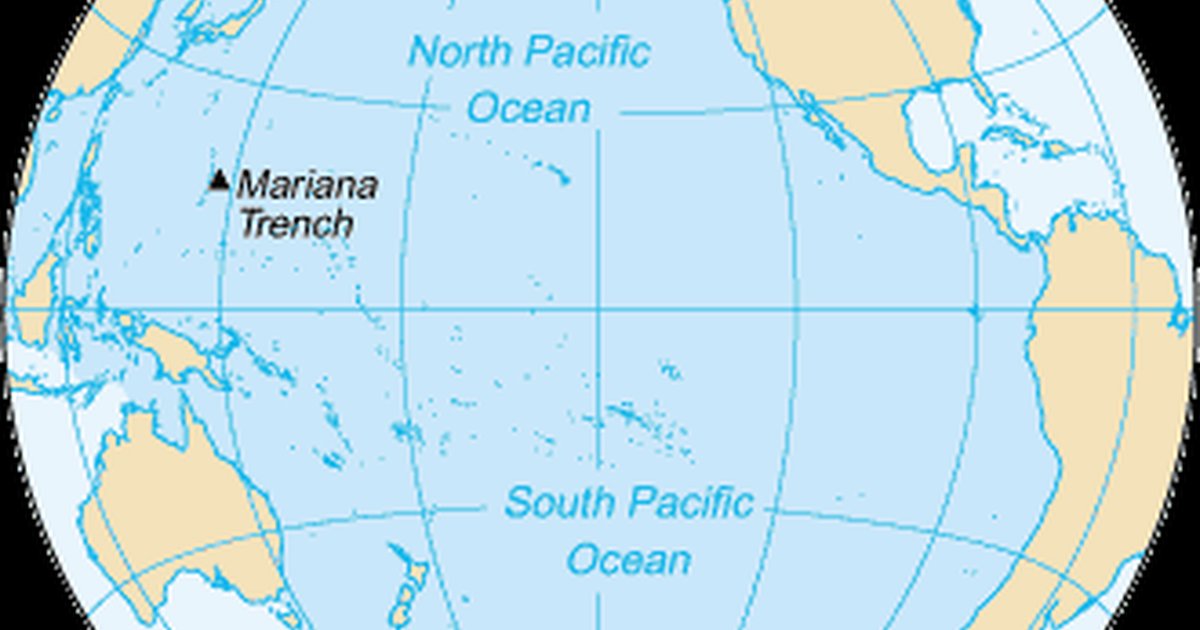
The Pacific Region comprises a geopolitical and economic zone spanning multiple island nations and maritime territories across the world's largest ocean, serving as a critical intersection of trade, military strategy, and emerging great power competition. Currently ranked #126 on the LeadersCartel Power Index with a score of 3.2/100 across monitored tier classification, the Pacific functions less as a unified actor and more as a contested domain where established and rising powers project influence. The region's strategic significance derives from control over critical shipping lanes—approximately one-third of global maritime trade transits Pacific waters—vast resource repositories, and positioning relative to the China-US strategic rivalry. Australia, the Philippines, and allied democracies anchor one bloc, while China pursues increasingly assertive territorial claims across the South China Sea.
The region maintains baseline monitoring status with 281 active intelligence sources tracking developments. Signal distribution across two high-impact, three emerging, and zero watch-level indicators suggests stabilizing rather than intensifying activity patterns. The modest 3.2 score reflects diffuse rather than concentrated power dynamics; no single actor dominates decisively, creating conditions for competitive equilibrium. Recent signal velocity indicates medium-term stability with contained escalation risks, though the underlying strategic competition remains structurally intense.
Three distinct developments this week shaped Pacific calculations. Prime Minister Modi's arrival in New Zealand completed a three-nation diplomatic tour, signaling India's deliberate expansion of Indo-Pacific partnerships independent of traditional US-led frameworks. Container spot rates edging higher as peak shipping season faces mid-July tests demonstrates immediate economic pressure on supply chain resilience—critical leverage point for powers controlling chokepoints. Pentagon assessments of tanker vulnerabilities in contested Pacific waters indicate active US military concern about force projection capabilities and underscore dependency on open navigation.
Analysts should monitor Modi's New Zealand meetings for substantive commitments on security cooperation, particularly submarine or maritime domain awareness initiatives. Track container rate volatility through mid-July as proxy for broader trade confidence. Primary trigger event: any unscheduled Chinese naval activity near Philippine territorial waters within 72 hours would signify escalated competition requiring immediate assessment.