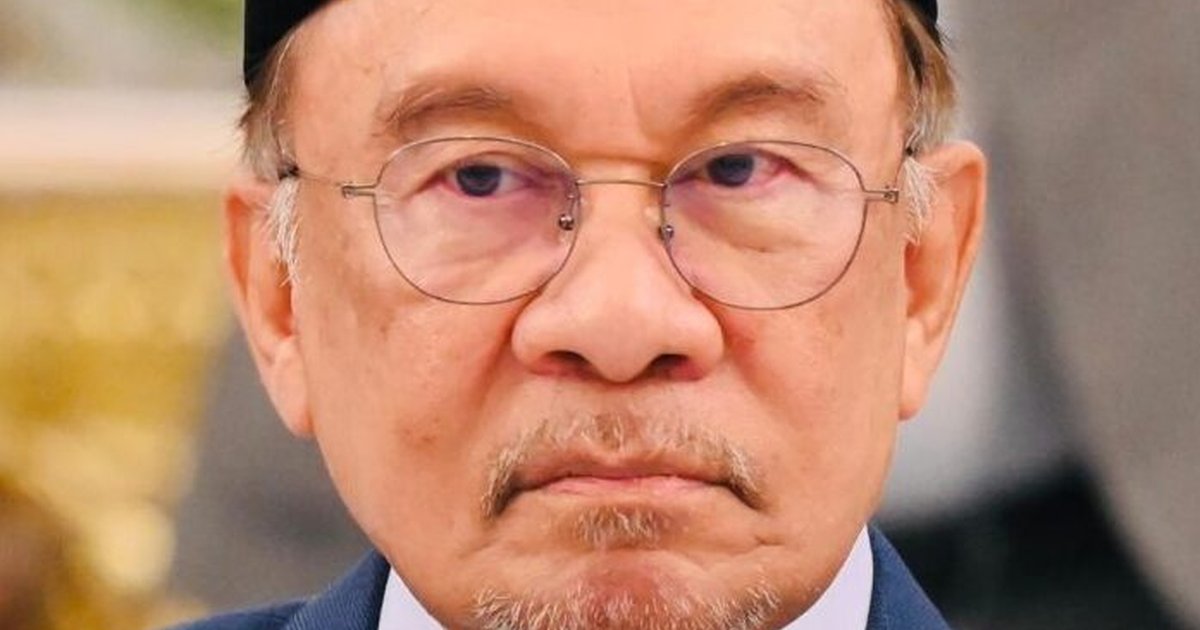
Anwar Ibrahim
INTELLIGENCE DOSSIER: ANWAR IBRAHIM
Anwar Ibrahim is the current Prime Minister of Malaysia, a pivotal Southeast Asian nation and key player in regional geopolitics during Asia's most transformative decade. As Malaysia's chief executive, Ibrahim commands influence over the world's 10th most populous nation and a critical node in Indo-Pacific supply chains, particularly semiconductors and maritime trade through the Strait of Malacca. His political survival and coalition stability directly impact ASEAN cohesion, China-US strategic competition in Southeast Asia, and India's regional positioning under PM Modi's Indo-Pacific strategy.
Ibrahim's LeadersCartel ranking at position 219 with a score of 1.4 reflects his monitored-tier status across six intelligence sources, with signal distribution concentrated in emerging assessments (1E) rather than high-impact alerts, indicating stable but pressured governance. His relatively lower ranking compared to Trump, Xi, Modi, and Macron reflects Malaysia's secondary-tier global power position, yet his emergence signal suggests rising volatility in regional influence. The score trajectory indicates neither consolidating power nor catastrophic decline, but rather precarious equilibrium within domestic political constraints.
Three critical developments emerged this reporting cycle. First, "Will Anwar's coalition in Malaysia implode amid Loke exit?" signals internal fracturing—the departure of key coalition member Loke represents real loss of parliamentary support threatening majority stability. Second, Malaysia's King approved imprisoned former PM Najib's house arrest bid, indicating judicial-royal dynamics that could destabilize Anwar's legitimacy narrative of anti-corruption leadership. Third, ASEAN faces existential tests under Singapore's leadership rotation, placing Ibrahim in a position where domestic weakness undermines regional credibility precisely when coordinated response to great-power competition is essential.
Monitor the next 48-72 hours for coalition vote outcomes on Najib-related legislation or budget measures. Watch whether additional coalition partners signal exits. The specific trigger event: any parliamentary dissolution announcement would indicate Anwar gambling on snap elections—a high-risk move signaling confidence collapse and forcing reassessment of Malaysian political stability at a critical moment in regional alignment.