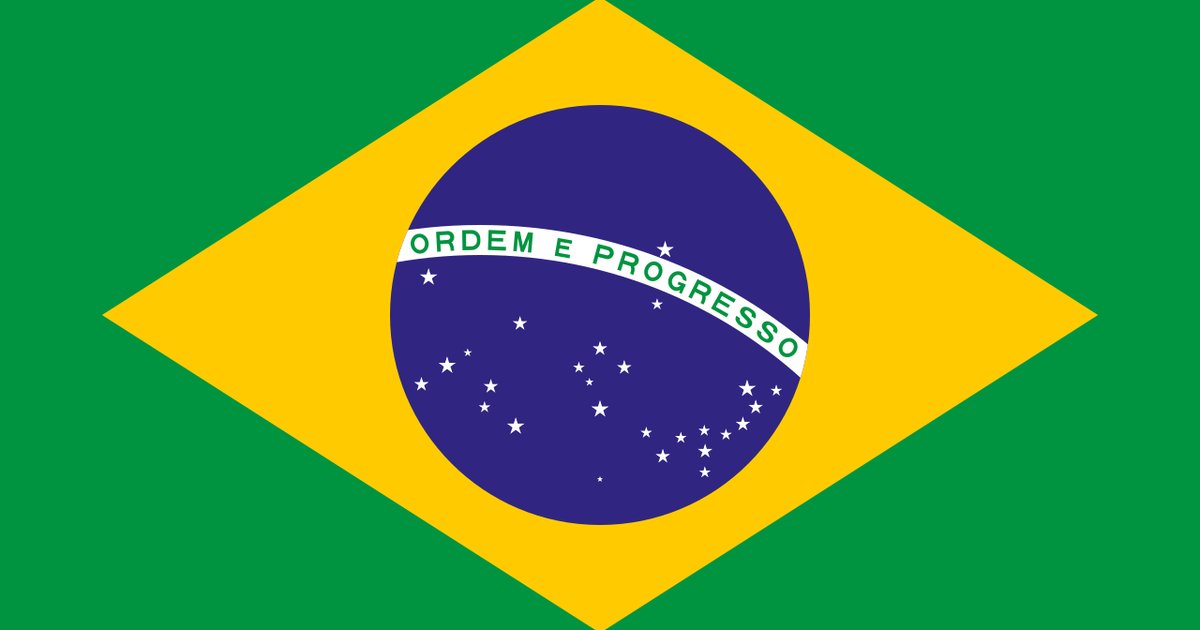
Brazil
BRAZIL INTELLIGENCE DOSSIER
Brazil is the largest economy in South America and the world's seventh-largest by GDP, currently led by President Luiz Inácio Lula da Silva following his 2022 election victory. As a G20 member, BRICS participant, and home to the Amazon rainforest, Brazil exercises substantial influence over global climate policy, commodity markets, and regional Latin American affairs. Its strategic significance derives from vast natural resources, a 215-million-person consumer market, and geopolitical positioning as a counterweight to US hemispheric dominance. Under Lula's current administration, Brazil has repositioned itself toward multipolarity, strengthening ties with China and India while maintaining complex relations with the Trump administration.
Brazil's LeadersCartel Power Index ranking of 57 with a score of 6.9 reflects a monitored-tier entity tracked across 105 active intelligence sources. The signal distribution pattern of 1 high-impact, 5 emerging, and 0 watch-level indicators suggests Brazil maintains moderate but active influence corridors, though recent momentum appears dampened relative to regional peers. The entity's stability in this mid-range position indicates consolidated but not expanding power projection capacity. Lula's domestic political initiatives and economic policies drive most observable signals, positioning Brazil as consistently relevant but not currently ascending within the global power hierarchy.
Three critical signals emerged this reporting cycle. First, Lula's public statements regarding Donald Trump's political fortunes suggest Brazil is carefully calibrating its messaging toward the current US administration, signaling diplomatic engagement despite historical tensions. Second, the Brazil Senate's legislative approval of a work-week reduction provides domestic political momentum ahead of electoral cycles, indicating Lula's government prioritizes internal consolidation over foreign policy expansion. Third, the tunnel infrastructure incident reflects underlying vulnerabilities in Brazil's transportation and urban systems, amplifying questions about the government's capacity to manage modernization alongside social welfare priorities.
Analysts should monitor Brazil's positioning within BRICS negotiations over the next 72 hours, particularly regarding China coordination and commodity pricing strategies. Watch for any Trump administration trade signals toward Brazilian agricultural or manufacturing sectors, as tariff policies could destabilize Lula's economic agenda. The critical trigger event to track is whether Brazil signals formal trade agreement negotiations with the current US administration, which would indicate a strategic