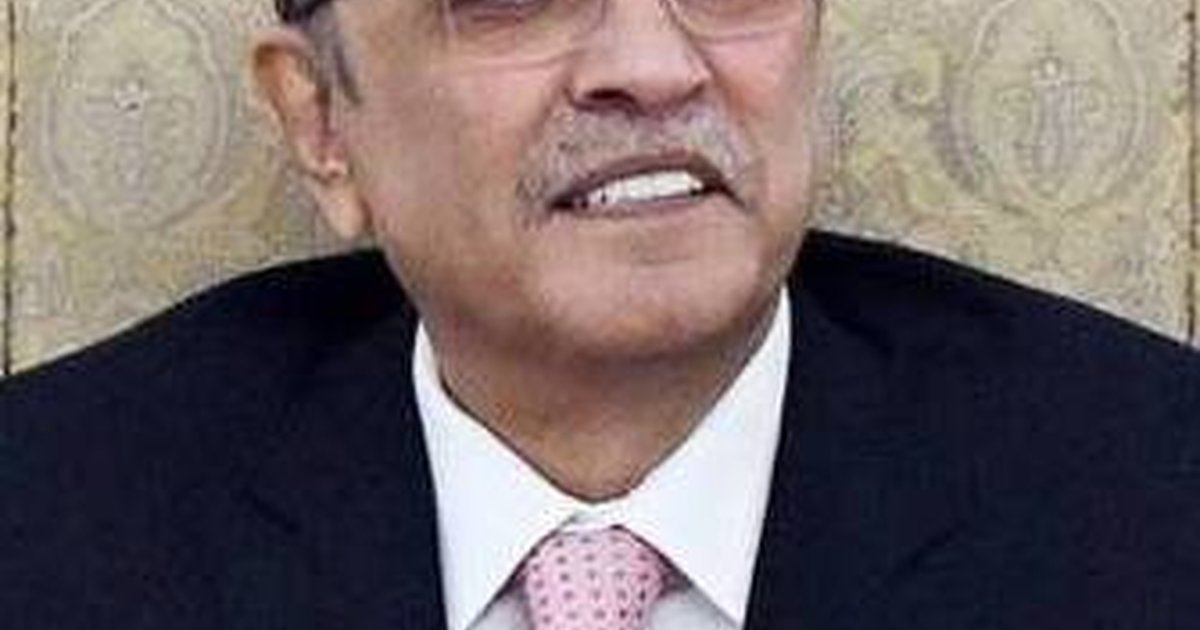
Asif Ali Zardari
INTELLIGENCE DOSSIER: ASIF ALI ZARDARI
Asif Ali Zardari is the current President of Pakistan, serving as head of state in a constitutional democracy with nuclear weapons capability and 240 million citizens. As titular head of state, Zardari functions as a symbolic figurehead, yet wields significant political influence through his Pakistan Peoples Party (PPP) background and historical role as former President (2008-2013). His global significance derives from Pakistan's geostrategic position between Central Asia, the Middle East, and South Asia, where any leadership instability directly impacts US counterterrorism operations, Chinese Belt and Road initiatives, and regional stability amid India-Pakistan tensions. Zardari matters because Pakistan remains a critical node in global energy corridors, nuclear proliferation risk calculations, and Taliban-era aftermath management in Afghanistan.
Zardari's LeadersCartel ranking at #183 with a composite score of 1.8 indicates monitored-tier status, tracked across 12 distinct intelligence sources. His signal architecture reflects one emerging indicator and one watch-level signal, suggesting neither rapid ascendancy nor acute crisis, but rather steady diplomatic repositioning. The absence of high-impact signals (0H designation) indicates his power operates through incremental influence rather than decisive geopolitical action. His stable middle-rank position reflects Pakistan's broader international standing: significant but constrained by internal political fragmentation, military dominance over civilian institutions, and competing great-power alignments.
This week, Zardari departed for a three-day bilateral visit to Germany, where he met President Frank-Walter Steinmeier and engaged current Chancellor Friedrich Merz's administration. Siemens formally reaffirmed support for Pakistan's healthcare infrastructure modernization, signaling European institutional confidence in Pakistani governance. These signals indicate deliberate diplomatic broadening beyond traditional US-Pakistan security relationships and Chinese economic ties, positioning Pakistan as receptive to EU engagement. The healthcare focus suggests Zardari's administration prioritizes civilian development narratives over security-centric diplomacy.
Monitor the outcome of Zardari's Germany meetings for concrete EU investment commitments within 72 hours. Watch whether this European diplomatic opening produces technology transfer agreements or merely symbolic statements. The critical trigger: any announcement of direct EU financial facility support would signal Western powers