Pakistan
PAKISTAN INTELLIGENCE DOSSIER
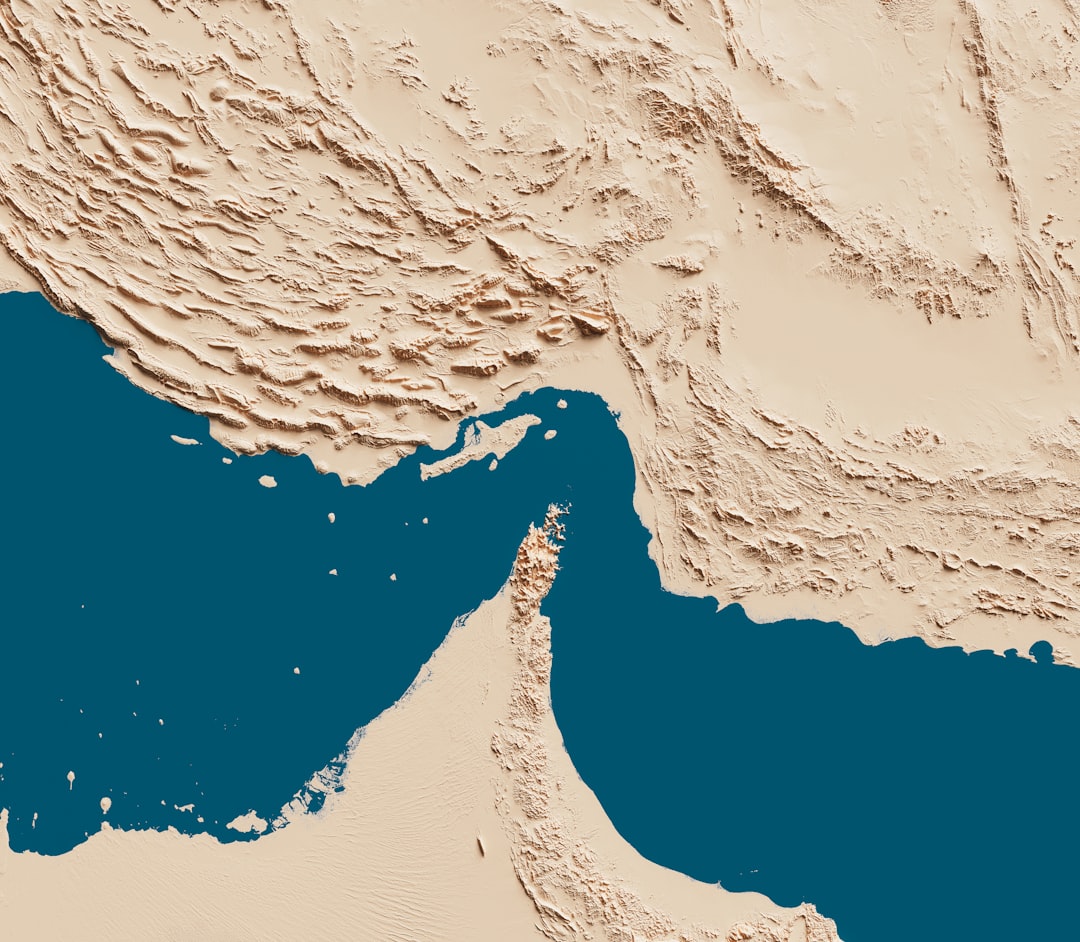
Pakistan is the Islamic Republic of Pakistan, a nuclear-armed South Asian nation of 240 million people currently led by civilian governance structures amid persistent institutional fragmentation. As a frontline state bordering Afghanistan, Iran, China, and India, Pakistan serves as a critical geopolitical hinge point controlling key trade corridors, housing significant militant networks, and maintaining strategic partnerships with China and Gulf states. Its nuclear arsenal, ongoing Kashmir dispute with India, and role in Central Asian affairs make it systematically important to US counterterrorism strategy, Chinese Belt and Road infrastructure, and regional balance-of-power calculations.
Pakistan ranks 22nd on the LeadersCartel Power Index with a score of 17.3, tracked across 2,003 active intelligence sources since 2003. The signal distribution reflects 6 high-impact indicators, 14 emerging signals, and zero watch-level anomalies, suggesting stable institutional capacity with emerging fragmentation risks. This monitored-tier classification indicates neither rising nor sharply declining influence, but rather consolidation around existing structural constraints—weak state capacity, security sector dominance, and economic vulnerability to IMF bailout cycles.
This week signals focused on critical infrastructure collapse: a school roof failure in northwest Pakistan killed 17 children and one teacher, with competing casualty reports ranging from 10 to 27 deaths across signal variants. This incident crystallizes systemic governance failure—inadequate building codes, corruption in municipal oversight, and chronic underfunding of public education. The event triggered secondary signals linking Pakistan to India, Russia, China, Iran, and the United States, reflecting how internal crises activate regional stakeholders monitoring stability implications.
Analysts should monitor the government's investigative response and accountability measures over 48-72 hours as leading indicators of institutional credibility. Watch for statements from military leadership regarding infrastructure audits, which could signal either genuine reform or symbolic positioning. The critical trigger event is whether provincial authorities announce structural inspections of other public facilities—this would indicate systematic response versus isolated incident management, materially affecting assessments of state capacity and social stability trajectories.