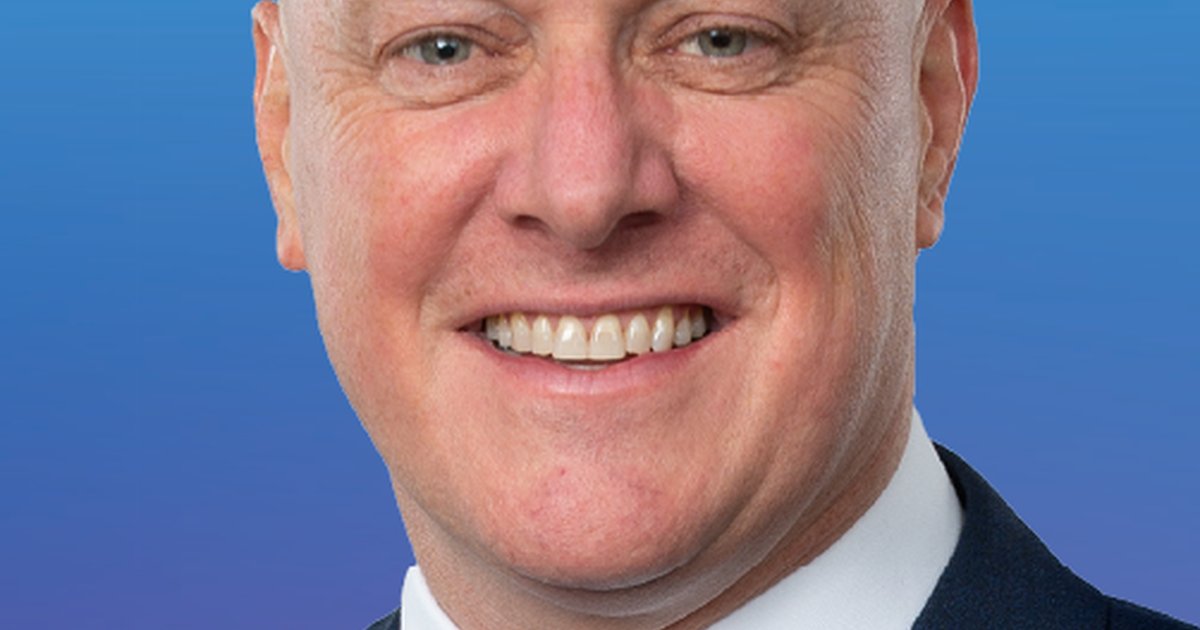
Christopher Luxon
INTELLIGENCE DOSSIER: CHRISTOPHER LUXON
LeadersCartel Classification | MONITORED TIER
Christopher Luxon is the Prime Minister of New Zealand, a Pacific democratic leader commanding one of the world's most stable developed economies and a strategically positioned Indo-Pacific nation. Luxon leads a center-right government navigating complex geopolitical alignments between Western alliance obligations and deepening economic ties to China and India. New Zealand's significance extends beyond its 5 million population—it serves as a test case for democratic governance in an era of digital governance challenges and represents a swing vote in regional technology regulation that influences Five Eyes intelligence partnerships and AUKUS commitments.
Luxon's LeadersCartel ranking at position 165 with a 2.0 power score reflects his emerging but constrained influence profile. Tracked across 24 distinct intelligence sources with signal distribution showing one emerging indicator and one watch-level alert, Luxon occupies a stable position within the monitored tier. His score suggests meaningful regional authority without global determinative power—consistent with a developed-market PM lacking permanent UN Security Council seat or superpower nuclear capability. The single emerging signal indicates rising attention from intelligence apparatus tracking digital policy innovation, distinguishing him from declining peers.
This week Luxon announced New Zealand's proposed social media ban for children under 16, following Australia's legislative pathway. The announcement signals regulatory assertiveness and positions Wellington as a trans-Tasman policy leader on youth digital protection. Headlines emphasize Luxon's alignment with Meta scrutiny, mirroring Emmanuel Macron's European regulatory stance and contrasting sharply with Trump administration deregulation priorities. The proposal directly challenges Meta's business model in a Five Eyes jurisdiction, creating downstream implications for Facebook's Pacific market strategy and precedent-setting in democratic regulation.
Analysts should monitor whether this proposal advances to legislation within 72 hours and track Meta's formal response to the New Zealand initiative. The critical trigger event is Australia's legislative vote on identical measures—if passed, Luxon faces pressure to accelerate timeline, testing his political capital against tech industry lobbying. Watch for Trump administration commentary on the ban, as US regulatory divergence could fracture Five Eyes consensus on technology governance and signal Luxon's relative independence from Washington.