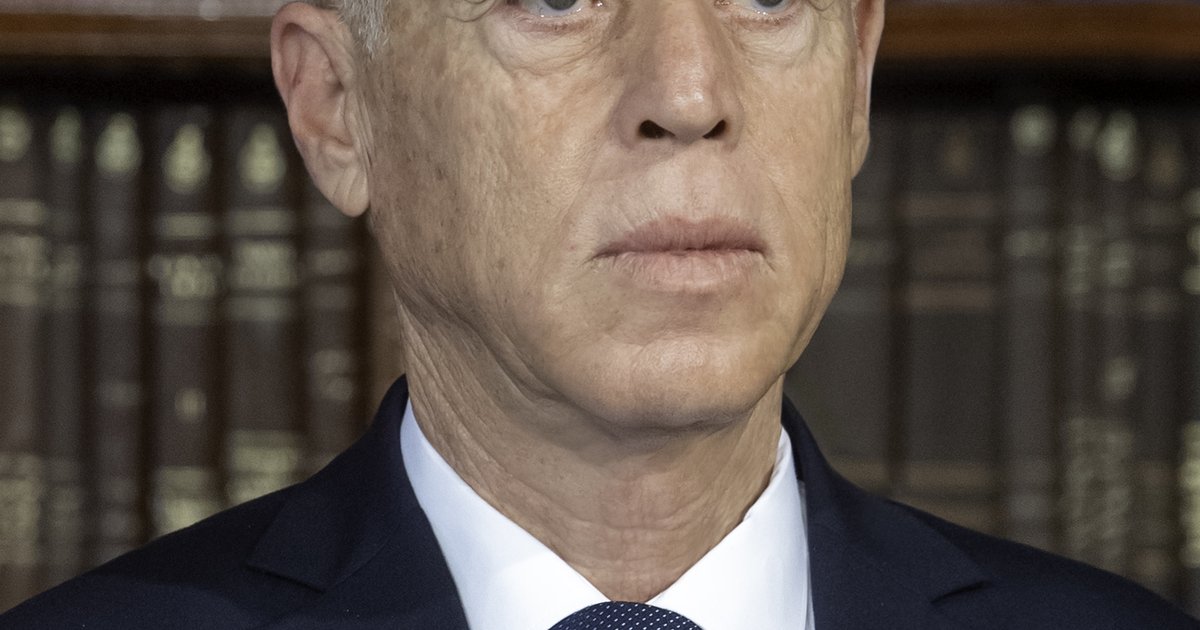
Kais Saied
INTELLIGENCE DOSSIER: KAIS SAIED
Kais Saied is the current President of Tunisia, a strategically located North African state controlling critical Mediterranean shipping lanes and serving as a geopolitical buffer between Libya's instability and Algeria's regional influence. Saied assumed office in 2019 and consolidated executive power through a 2022 constitutional referendum that shifted Tunisia from parliamentary to presidential governance. His significance lies in Tunisia's role as a potential democratic model or cautionary case study for the Arab world; his governance trajectory directly influences EU migration policy, counterterrorism operations across the Sahel, and Western intelligence assessments of democratic backsliding in the MENA region.
Saied ranks 243rd on the LeadersCartel Power Index with a stability score of 1.5 across monitored tier classification, tracked through five active intelligence sources. The signal distribution reflects one emerging alert (1E) with no high-impact (0H) or watch-level (0W) signals, indicating a figure whose power remains constrained but whose actions warrant close emerging-market monitoring. His relatively lower global rank reflects Tunisia's modest GDP and military capacity offset against his domestic control consolidation; the emerging signal suggests recent developments are beginning to elevate analytical attention beyond baseline monitoring.
Recent signals reveal acute domestic pressure: Tunisians staged their biggest protest in years against President Saied, signaling erosion of his street-level legitimacy despite institutional control. Simultaneously, economic performance reviews question his seven-year track record amid persistent unemployment and currency pressures, undermining his technocratic legitimacy claim. Most critically, Tunisian journalists report fears of imprisonment as media freedoms contract, confirming international concerns that Saied's presidential model depends on suppression rather than consensus governance.
Analysts should monitor judicial actions against media figures and opposition parties over the next 72 hours as leading indicators of regime consolidation versus fragmentation. The specific trigger event to track: any coordinated labor union mobilization combined with security force defections during protests. Such coordination would signal that Saied's power base has fractured below elite-level consensus, potentially destabilizing a key Mediterranean ally and complicating French and Italian security interests.