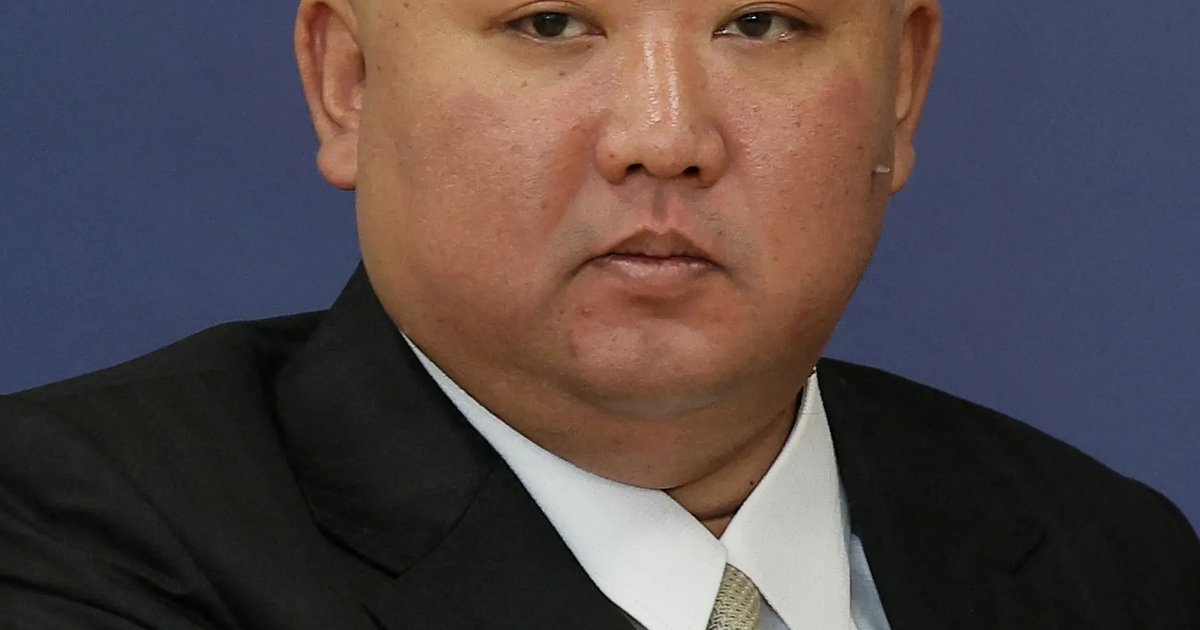
Kim Jong Un
INTELLIGENCE DOSSIER: KIM JONG UN
Kim Jong Un is the Supreme Leader of the Democratic People's Republic of Korea (DPRK), holding consolidated control over the totalitarian state since 2011. His strategic significance derives from North Korea's active nuclear weapons program, ballistic missile capabilities threatening US allies, and unpredictable diplomatic posture. As Trump enters his second presidency, Kim represents a critical variable in Northeast Asian stability and transpacific security calculations. His regime's weapons development directly impacts deterrence architecture across Japan, South Korea, and broader Indo-Pacific strategy.
Kim Jong Un ranks 186 on the LeadersCartel Power Index with a 1.9 aggregate score, tracked across 92 distinct intelligence sources reflecting fragmented signal distribution: zero high-impact indicators, one emerging signal, and zero watch-tier flags. This relatively modest ranking reflects concentrated but geographically limited influence—North Korea's power operates within constrained regional parameters despite nuclear capabilities. The score trajectory suggests stable positioning rather than ascending threat status, though this metric captures formal state influence rather than destabilization capacity.
Three concurrent developments signal elevated activity. Trump publicly floated direct presidential engagement with Kim, creating diplomatic opening conditions unseen since 2019. Simultaneously, North Korea's state media documented Kim Jong Un committing to expanded military firepower development—directly contradicting negotiation signals. The Supreme Leader's personal visit to a new defense museum reinforced military modernization messaging. These contradictory signals suggest Kim is positioning for maximum leverage in potential negotiations while maintaining weapons advancement as insurance against diplomatic breakdown.
Analysts should monitor Trump administration messaging density regarding bilateral talks over the next 48-72 hours. The critical trigger event is whether Trump issues a formal meeting invitation with specific terms; Kim's response timeline and conditions would indicate whether negotiation is genuine or performative posturing. Concurrent missile test activity would signal negotiation stratagem rather than substantive diplomatic shift.