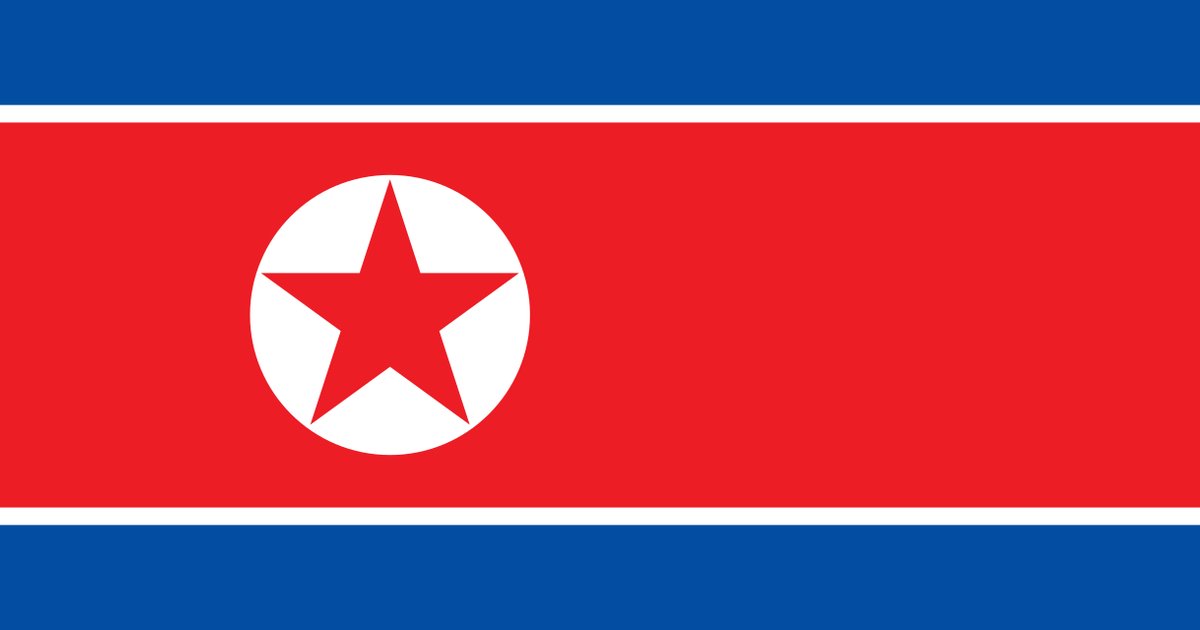
North Korea
North Korea, officially the Democratic People's Republic of Korea, is an authoritarian state under Kim Jong Un's leadership and represents a critical flashpoint in East Asian geopolitics. Despite its isolation and economic constraints, North Korea maintains strategic significance as a nuclear weapons state, a destabilizing actor in regional security calculations, and a proxy through which China projects influence on the Korean peninsula. Its relevance to global power dynamics stems from its weapons programs, cyber capabilities, and role in the US-China strategic competition.
North Korea's position at rank 49 on the LeadersCartel Power Index with a score of 7.6 reflects its constrained but persistent influence across 160 monitored intelligence sources. The monitored tier classification with active signal distribution (2 high-impact, 7 emerging, 0 watch-level signals) indicates stable rather than accelerating power projection. The index captures North Korea's paradox: minimal conventional economic or diplomatic leverage offset by disproportionate regional disruption capacity. This rank suggests neither rising nor declining trajectory but rather entrenched stasis—a state locked in strategic deadlock with limited escalation or de-escalation pathways.
Recent signals confirm intensifying US-North Korean tensions and proliferation risks. The headline regarding US condemnation of Japan's nuclear pursuit reflects Trump administration recalibration of regional security architecture, with North Korea's weapons programs driving Japan's strategic calculations. Simultaneously, US enforcement actions against North Korean IT worker scams at 70+ American firms expose hybrid cyber-economic threats operating below traditional military thresholds. Most significantly, China-North Korea bridge reopening after decade-long delay signals Beijing's renewed commitment to maintaining Pyongyang as a strategic asset, directly countering US containment objectives.
Analysts should monitor whether Trump's transactional approach toward North Korea will yield direct negotiations or intensified pressure. Within 72 hours, watch for reciprocal North Korean statements responding to US Japan policy statements and any indication of renewed Chinese-North Korean military coordination. The specific trigger event to monitor is whether North Korea conducts ballistic or nuclear tests coinciding with US-Japan defense exercises, which would indicate Kim Jong Un has chosen provocation over diplomatic engagement under the new administration.