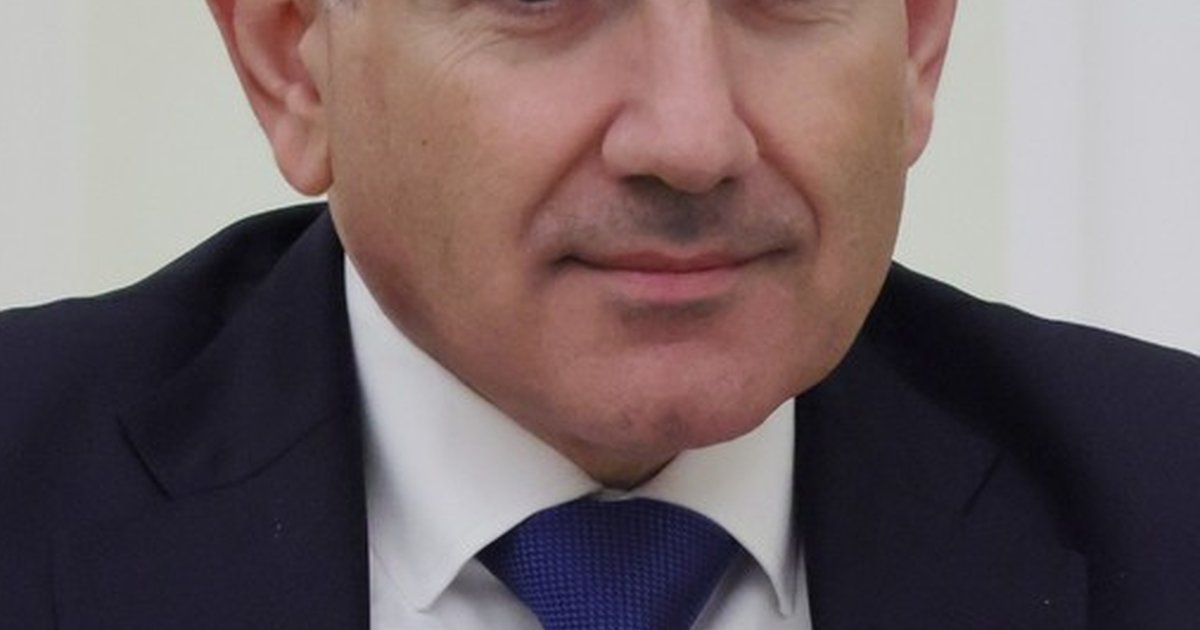
Nikol Pashinyan
INTELLIGENCE DOSSIER: NIKOL PASHINYAN
Prime Minister of the Republic of Armenia
Nikol Pashinyan is the incumbent Prime Minister of Armenia, a strategically positioned South Caucasus nation caught between Russian, Turkish, Iranian, and Western spheres of influence. Currently ranked 180th on the LeadersCartel Power Index with a stability score of 1.7/100, Pashinyan represents a critical node in post-Soviet geopolitical realignment. Armenia's significance derives from its position as a potential bridge between the European Union and Eurasian Economic Union, its historical tensions with Azerbaijan over Nagorno-Karabakh, and its ongoing calibration between NATO-aligned ambitions and Russian security commitments. Pashinyan's leadership directly impacts regional stability, energy corridors, and minority rights in the South Caucasus.
Pashinyan's LeadersCartel positioning reflects moderate influence with volatility. Tracked across 365 active intelligence sources, his signal distribution shows one emerging indicator, zero watch-level developments, and zero high-impact signals currently—suggesting a period of tactical consolidation rather than escalation. The monitored tier classification indicates sustained analytical attention without crisis-level elevation, consistent with Armenia's steady-state diplomatic maneuvering. His rank and score remain sensitive to Armenian-Azerbaijani reconciliation progress and EU-Russia relations.
Three concurrent developments demand attention. Pashinyan publicly stated Armenia's EU accession bid does not nullify EAEU membership, signaling continued dual-alignment strategy aimed at preserving Russian security guarantees while pursuing Western integration—a precarious balance. Separately, Pashinyan engaged Azerbaijani President Aliyev in Bishkek discussions on deeper economic and energy ties, indicating thaw in bilateral tensions post-2020 conflict. Simultaneously, scheduled trilateral discussions between Putin and Pashinyan reference possible Armenia referendum scenarios, likely concerning constitutional or territorial questions tied to regional agreements.
Analysts should monitor Armenian-EU relations intensity and any Russian pressure response over the next 72 hours. Watch for announcements on referendum timing or scope—such disclosure would signal domestic political pressure or external coercion. The critical trigger: any statement from Pashinyan retreating from the dual-alignment position would indicate either Russian escalation or Western