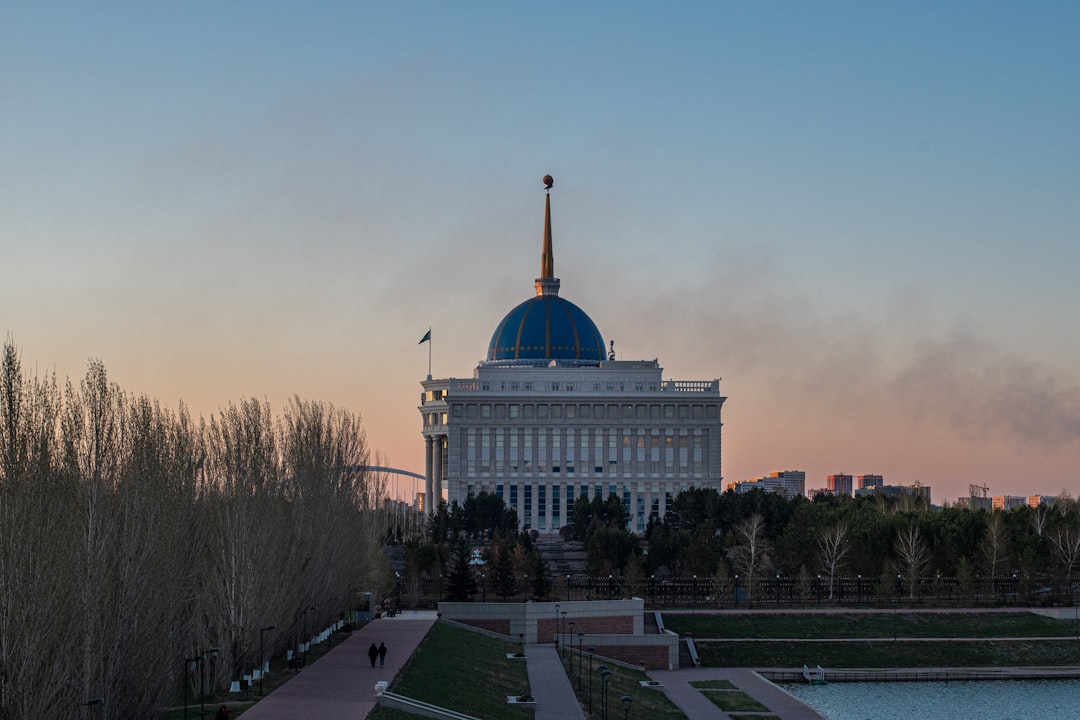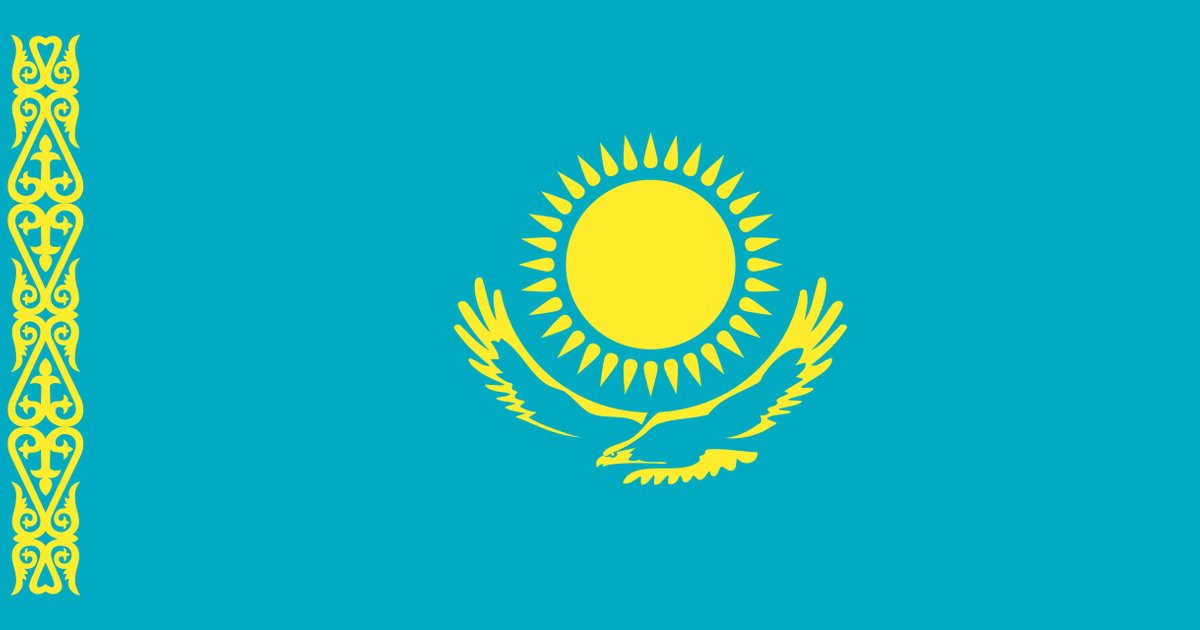
Kazakhstan
KAZAKHSTAN INTELLIGENCE BRIEF
Kazakhstan is a Central Asian nation-state and critical energy/transit corridor linking China, Russia, and Europe. As the world's ninth-largest country by landmass with substantial oil, gas, and rare earth reserves, Kazakhstan functions as a strategic economic bridge between Asian and European markets. Its geopolitical significance stems from control over the Middle Corridor trade route—increasingly vital as Western sanctions redirect Eurasian commerce away from traditional Russian pathways. Under current leadership, Astana has positioned itself as a pragmatic actor balancing Russian proximity with Chinese economic integration and European partnership development, making it essential to monitor for shifts in this delicate equilibrium.
Kazakhstan maintains a #166 ranking on the LeadersCartel Power Index with a score of 2.2, classified as "monitored" tier across 21 active intelligence sources. The signal distribution pattern—0 high-impact, 1 emerging, 0 watch-category signals—indicates Kazakhstan operates below immediate crisis thresholds but warrants sustained attention. This mid-range positioning reflects a state with regional consequence but limited global decision-making power. The stable score suggests neither accelerating influence nor acute decline, consistent with a nation executing incremental diplomatic strategy rather than pursuing transformative geopolitical maneuvers.
Three concurrent developments signal active repositioning this week. A 76-year-old Kazakh traveler's global walking mission generates soft-power narrative countering isolation perceptions while highlighting Central Asian cultural identity. Simultaneously, Kazakhstan pursues formal partnership frameworks with Belgium's Antwerp-Bruges port authorities, directly operationalizing Middle Corridor ambitions through European logistics infrastructure—concrete economic leverage. The inaugural Open Asian Falconry Cup preserves heritage symbology while hosting regional actors, subtly reinforcing Kazakhstan's role as Central Asian cultural convener rather than subordinate Russian satellite.
Analysts should monitor whether the Belgium port initiative converts to binding trade agreements within 72 hours, signaling successful European corridor diversification. Watch for any Russian official commentary regarding the European logistics partnership—silent acceptance indicates Moscow-Astana relations remain stable, while public skepticism suggests friction over "balancing" strategy. The critical trigger: any formal Middle Corridor transit volume data exceeding pre-2024 benchmarks would indicate sustainable strategic success independent of Russian approval.