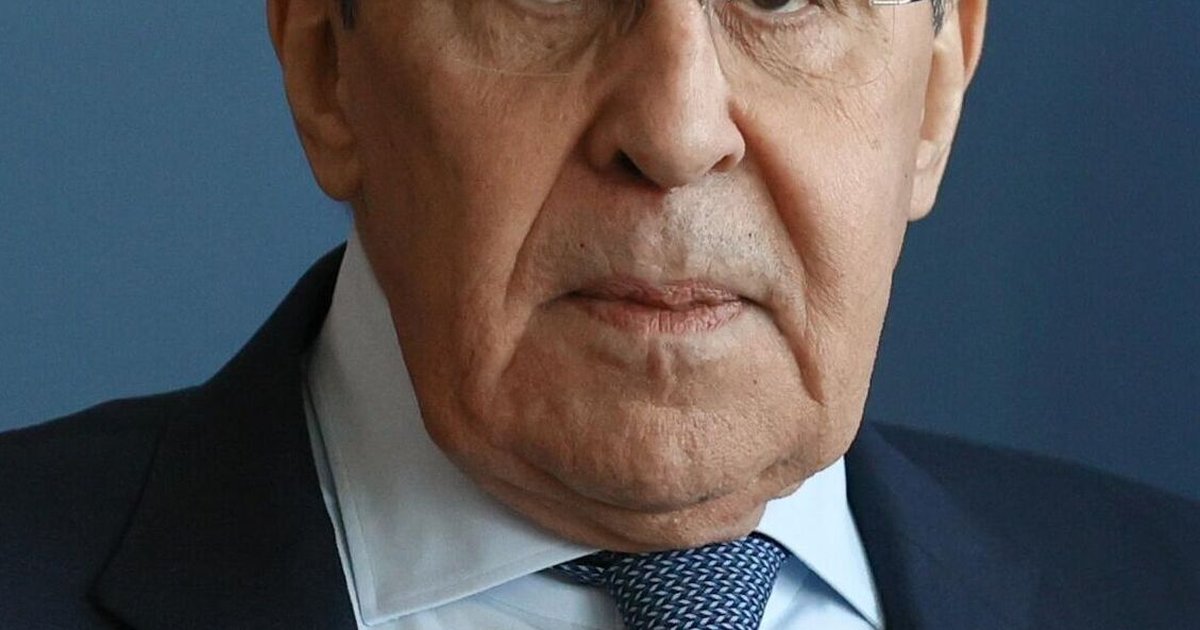
Sergey Lavrov
INTELLIGENCE DOSSIER: SERGEY LAVROV
Sergey Lavrov is Russia's Foreign Minister and the primary architect of Moscow's diplomatic strategy under Vladimir Putin's current presidency. As the face of Russian foreign policy since 2004, Lavrov holds exceptional strategic significance as the chief negotiator for Russia on Ukraine, US relations, China alignment, and sanctions mitigation. His role transcends ceremonial diplomacy—he directly shapes Russia's international positioning during a period of unprecedented geopolitical realignment following Trump's return to the White House and ongoing conflict in Ukraine.
Lavrov ranks 168th on the LeadersCartel Power Index with a score of 2.2, monitored across 589 active intelligence sources with a stable high-impact signal distribution (1H/0E/0W). His monitored tier status reflects consistent geopolitical engagement without recent volatility indicators. The ranking reflects his constrained leverage as a sanctioned state's diplomat, yet his positioning remains strategically critical. Unlike declining figures, Lavrov maintains steady operational prominence—his score stability suggests entrenched influence within Russian decision-making structures rather than expanding autonomous power.
Three headline signals emerged this week: Lavrov engaged directly with top Chinese diplomats on US relations and Ukraine positioning, signaling Moscow-Beijing coordination on Trump administration engagement strategy. The Moscow Format diplomatic channel closure statement indicates hardened Russian negotiating posture on Central Asia frameworks. Putin's planned APEC summit attendance in China, announced by Lavrov, demonstrates his centrality in orchestrating Russia's pivot toward Asian powers and away from Western institutional engagement. Each signal reinforces Russia's strategic orientation toward Beijing and away from transatlantic dialogue.
Analysts should monitor Lavrov's scheduled communications with European counterparts over the next 72 hours—any direct engagement with Keir Starmer's UK government or Friedrich Merz's Germany would signal potential thaw in Western-Russian diplomatic channels. The critical trigger event: confirmation of Putin's APEC attendance would indicate active Chinese-Russian coordination on excluding US influence from Asia-Pacific architecture.